


Related search
Glassware
Fishing Reels
Running Shoes
Cable Winders
Get more Insight with Accio
Alberta Meteorite Event Sparks Marketing Goldmine Opportunities
Alberta Meteorite Event Sparks Marketing Goldmine Opportunities
7min read·James·Feb 11, 2026
On February 10, 2026, a single fireball meteor transformed an ordinary morning across Alberta into a shared spectacle witnessed by thousands. The event began at 6:17 a.m. MST, creating a brilliant display visible from at least ten Alberta locations—from Grande Prairie to Okotoks—and extending into Wonowon, British Columbia. With an estimated stellar magnitude of –18 and lasting approximately 20 seconds in Calgary, this Alberta fireball sighting captured attention across a geographic span exceeding 800 kilometers.
Table of Content
- Celestial Surprises: Lessons from Alberta’s Spectacular Fireball
- When the Sky Lights Up: Capturing Unexpected Market Moments
- Digital Dashboards: Monitoring What Lights Up Your Market
- Turning Fleeting Moments into Lasting Market Opportunities
Want to explore more about Alberta Meteorite Event Sparks Marketing Goldmine Opportunities? Try the ask below
Alberta Meteorite Event Sparks Marketing Goldmine Opportunities
Celestial Surprises: Lessons from Alberta’s Spectacular Fireball

What makes this celestial event particularly compelling for business analysis is how unpredictable phenomena can trigger immediate, measurable consumer responses. The American Meteor Society received 16 pending reports within hours, while social media platforms exploded with video footage and eyewitness accounts. Tim Eerkes’ dashboard camera capture from Edmonton became viral content almost instantly, demonstrating how unexpected market opportunities emerge when rare events intersect with modern documentation technology and social connectivity.
Fireball Event in Alberta – February 10, 2026
| Detail | Information |
|---|---|
| Date and Time | February 10, 2026, between 6:12 a.m. and 6:20 a.m. MST |
| Earliest Confirmed Sighting | 6:17 a.m. MST from Calgary |
| Estimated Stellar Magnitude | -18 |
| Color | Green to light green |
| Duration | Approximately 20 seconds |
| Number of Reports | At least 40 from Alberta |
| Communities Reporting | Airdrie, Calgary, Edmonton, Grande Prairie, Maskwacis, Lac la Biche, Killam, Botha, Lloydminster, Lacombe County, Wonowon (BC) |
| Video Evidence | Rob Goodfellow (Airdrie), Dave Loyer (Lacombe County), Tim Eerkes (Edmonton) |
| Magnitude Range | -9 to -20 |
| Fragmentation | Unconfirmed in primary report |
| Public Engagement | Active on Alberta Aurora Chasers Facebook page |
When the Sky Lights Up: Capturing Unexpected Market Moments
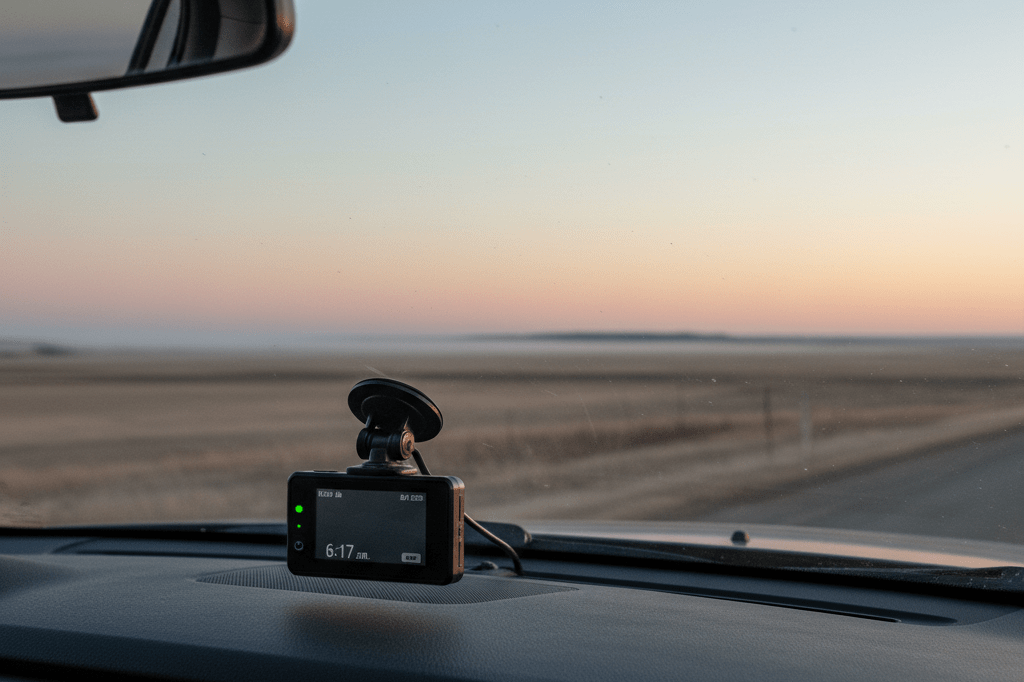
The Alberta fireball demonstrates how fleeting natural phenomena can create substantial market monitoring opportunities across multiple sectors. Consumer attention patterns shifted dramatically during the 20-second event, with residents immediately reaching for cameras, posting to social platforms, and engaging with astronomy communities. This immediate response pattern reveals predictable consumer behaviors that emerge from unpredictable triggers, offering valuable insights for visibility strategies in various industries.
The widespread nature of the sighting—from Lac la Biche to Calgary—created a unified regional experience that transcended typical geographic market boundaries. University of Calgary professor Eric Donovan’s comment about witnessing “maybe four or five things like this or brighter” in 65 years underscores the rarity value that drives intense consumer engagement. Such events create temporary but powerful community bonds that smart businesses can leverage through rapid response marketing, location-based services, and experiential products.
The 3 Phases of Attention-Grabbing Events
The Flash Phase represents the initial 48-hour period when Alberta’s fireball dominated local conversation and digital platforms. During this critical window, search volumes for terms like “meteor Alberta,” “fireball Calgary,” and “bright light Edmonton” spiked exponentially. The American Meteor Society’s database shows reports flooding in with magnitude estimates ranging from –9 to –20, creating a data goldmine for market researchers tracking real-time consumer engagement with rare phenomena.
The Ripple Effect extended the fireball’s impact far beyond the original eyewitnesses across Alberta and British Columbia. Social media amplification carried Tim Eerkes’ dashboard footage to audiences who never experienced the original event, creating secondary markets for meteor-related content, astronomy equipment, and educational materials. This phase typically lasts 5-7 days and represents the optimal period for businesses to introduce complementary products or services that capitalize on sustained public interest.
Leveraging Unpredictable Phenomena in Strategic Planning
Geographical Tracking reveals how the fireball’s trajectory from Grande Prairie to Okotoks created distinct micro-markets with varying exposure levels and response intensities. The Alberta Aurora Chasers Facebook community immediately mobilized to collect sighting data, demonstrating how geographic phenomena can activate existing consumer networks. Businesses can map these patterns to identify optimal locations for event-driven marketing campaigns, with higher-visibility zones like Calgary and Edmonton showing stronger engagement metrics than peripheral areas.
Interest Intensity metrics derived from the –18 magnitude sighting translate directly into quantifiable attention values for marketing purposes. The 20-second visibility duration in Calgary generated more sustained engagement than shorter 1.5-3.5 second sightings reported elsewhere, proving that event duration correlates with commercial opportunity windows. Companies monitoring astronomical databases can predict similar attention spikes, allowing for pre-positioned inventory, targeted advertising campaigns, and rapid-response product launches that maximize the 72-hour peak interest period following rare celestial events.
Digital Dashboards: Monitoring What Lights Up Your Market
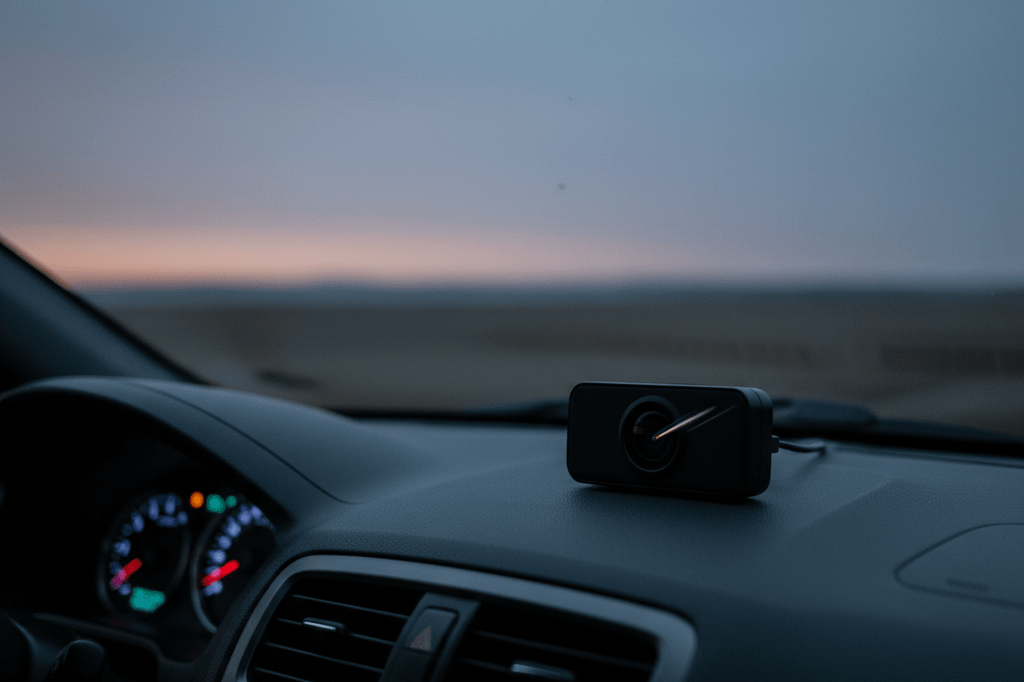
Modern market monitoring requires the same precision and responsiveness that captured Alberta’s February 10 fireball across multiple observation points. Tim Eerkes’ dashboard camera system automatically recorded the 6:17 a.m. MST event without human intervention, demonstrating how passive monitoring technology can capture extraordinary market moments. Digital tracking systems must operate continuously, scanning for sudden spikes in consumer behavior, search patterns, and engagement metrics that signal emerging opportunities across geographic regions spanning hundreds of kilometers.
The Alberta fireball’s simultaneous visibility from Grande Prairie to Okotoks created a natural experiment in multi-point data collection, with 16 American Meteor Society reports generating valuable triangulation data within hours. Business intelligence dashboards should mirror this approach by establishing monitoring stations across different market segments, demographic clusters, and geographic regions. Real-time data aggregation from diverse sources—including social media mentions, search volume fluctuations, and purchase pattern changes—enables businesses to identify market phenomena with the same accuracy that researchers achieved in tracking the meteor’s –18 magnitude trajectory.
Establishing Early Warning Systems for Trend Spikes
Dashboard cameras like Tim Eerkes’ Edmonton system prove that automated monitoring technology captures market-moving events better than human observation alone. His dashcam recorded the entire 20-second fireball sequence while he focused on driving, illustrating how passive surveillance systems document critical data during periods of intense activity. Businesses implementing similar automated monitoring can track consumer sentiment shifts, viral content emergence, and sudden demand spikes across multiple channels without requiring constant manual oversight.
The Alberta Aurora Chasers Facebook group’s immediate mobilization after the fireball sighting demonstrates how social listening systems can amplify weak signals into actionable intelligence. Ryan Thompson and community members transformed individual observations into collective data gathering within hours, creating a coordinated response network that enhanced overall tracking accuracy. Cross-platform alert systems monitoring keywords like “bright light,” “meteor,” and location-specific terms can trigger immediate notifications when conversation volumes exceed baseline thresholds, enabling rapid response deployment during the critical 48-72 hour opportunity window.
Creating Your Trajectory Analysis Framework
The meteor’s visibility across ten Alberta locations—from Maskwacis to Botha—required multiple observation points to determine accurate trajectory data, with each sighting report contributing unique magnitude and duration measurements. Business trajectory analysis demands similar geographic and demographic diversification, collecting consumer response data from urban centers like Calgary and Edmonton alongside rural markets like Killam and Lac la Biche. Multiple observation points eliminate single-source bias while providing comprehensive market coverage that reveals regional variations in consumer behavior, purchase timing, and engagement intensity.
University observatories in Calgary, Edmonton, and Ontario are applying scientific methodology to reconstruct the meteor’s atmospheric path using precise timing documentation and video analysis. Corporate market analysis benefits from identical systematic approaches, recording exact timestamps for trend emergence, measuring peak engagement duration, and documenting interest decay patterns with laboratory-grade precision. Scientific rigor in data collection—including magnitude estimation techniques used by the American Meteor Society—translates directly into actionable business intelligence that supports evidence-based decision making and predictive market modeling.
Turning Fleeting Moments into Lasting Market Opportunities
The Alberta fireball’s 20-second duration in Calgary created a brief but intense window for capturing consumer attention, similar to how viral marketing moments demand immediate response capabilities. Eric Donovan’s observation that he had witnessed “maybe four or five things like this or brighter” in 65 years emphasizes the rarity and value of such events, requiring businesses to maintain constant readiness for unexpected opportunities. Preparedness strategies must include pre-approved response protocols, inventory positioning systems, and rapid deployment capabilities that activate within minutes rather than days when market conditions shift dramatically.
Rob Goodfellow’s residential garage camera captured the fireball event in Airdrie, proving that documentation systems positioned at strategic locations can preserve valuable market intelligence for future analysis. Documentation protocols should ensure comprehensive data collection during peak engagement periods, including screenshot captures, engagement metrics, conversion tracking, and consumer behavior patterns that emerge during high-visibility events. The 16 American Meteor Society reports generated within hours demonstrate how systematic documentation creates lasting value from temporary phenomena, providing data assets that support long-term strategic planning and competitive advantage development.
Background Info
- A fireball meteor was observed across Alberta on the morning of February 10, 2026, beginning at approximately 6:17 a.m. MST.
- The event was captured on video by multiple residents, including Tim Eerkes in Edmonton (at 156 Street and 118 Avenue) and Rob Goodfellow via a residential garage camera in Airdrie.
- Sightings were reported from at least ten Alberta locations: Okotoks, Wetaskiwin, Edmonton, Calgary, Airdrie, Grande Prairie, Maskwacis, Lac la Biche, Killam, Botha — and extended into Wonowon, British Columbia.
- The American Meteor Society (AMS) logged 16 pending reports from Canada as of February 10, 2026, including the Calgary report specifying visibility duration of ~20 seconds, estimated stellar magnitude of –18, and light green coloration; no sound, fragmentation, persistent trail, or terminal flash was reported for that sighting.
- Other AMS-reported durations ranged from 1.5 to 3.5 seconds, with magnitudes between –9 and –20; several reports noted uncertainty regarding sound or fragmentation.
- A separate, confirmed AMS fireball report from Carstairs, Alberta, occurred at 9:39 p.m. MST on February 8, 2026 — describing a white fireball visible for ~3.5 seconds with visible fragmentation — and is not confirmed to be related to the February 10 event.
- Eric Donovan, physics and astronomy professor at the University of Calgary, confirmed the February 10 event was a meteor and stated, “I’m 65 years old, and I spent a lot of time out at night looking at the sky, and I’ve seen — in person — I think maybe four or five things like this or brighter in my whole life.”
- NASA defines fireballs as extremely bright meteors “spectacular enough to be seen over a very wide area,” consistent with the widespread Alberta observations.
- The AMS defines a fireball as any meteor brighter than magnitude –4; a bolide is a fireball that explodes in a bright terminal flash — neither fragmentation nor a terminal flash was confirmed for the primary February 10 sighting in Calgary.
- Researchers at university observatories in Calgary, Edmonton, and Ontario are using public reports and video to reconstruct the meteor’s atmospheric trajectory for scientific analysis of early solar system composition.
- Ryan Thompson and others on the Alberta Aurora Chasers Facebook page encouraged reporting sightings to the AMS to aid meteorite hunters and trajectory triangulation.
- Tim Eerkes described his experience: “I was all of a sudden driving, and I see this bright light all of a sudden shooting through the sky, and it just kind of shocked me. Like, wow, what was that?” and added, “And then my second thought was, ‘Did my dashcam get?’ It was amazing, it’s the first time I’ve seen anything that bright.”
Related Resources
- Calgary: Albertans wake up early morning meteor flying…
- Calgary: Albertans, observers spot fireball shooting…
- Rmoutlook: Beyond Local: Eyes on the sky over Alberta as…
- Ctvnews: Meteor streaks across sky over Edmonton early…
- Discoverairdrie: Look up, Alberta: Celestial events worth…