


Related search
Pet Accessories
Toy Accessories
Sleeping Chair
Smart Home Products
Get more Insight with Accio
Alton Towers Access Pass Changes Spark Industry Debate
Alton Towers Access Pass Changes Spark Industry Debate
10min read·James·Feb 7, 2026
The theme park industry faces mounting pressure to balance accessibility policies with operational efficiency, as demonstrated by Merlin Entertainments’ controversial February 2026 revision of its Ride Access Pass eligibility criteria. The company excluded guests with autism, ADHD, and anxiety from automatic qualification just ahead of the February 14-22 half-term break, citing “increased demand” as the primary driver. This policy shift highlights a critical challenge facing service industries worldwide: maintaining inclusive access while preserving operational sustainability.
Table of Content
- Accessibility vs. Efficiency: The Theme Park Dilemma
- Queue Management Systems: Lessons from Attraction Parks
- Creating Inclusive Customer Experiences in High-Volume Environments
- Beyond Policies: Creating Genuinely Accessible Experiences
Want to explore more about Alton Towers Access Pass Changes Spark Industry Debate? Try the ask below
Alton Towers Access Pass Changes Spark Industry Debate
Accessibility vs. Efficiency: The Theme Park Dilemma
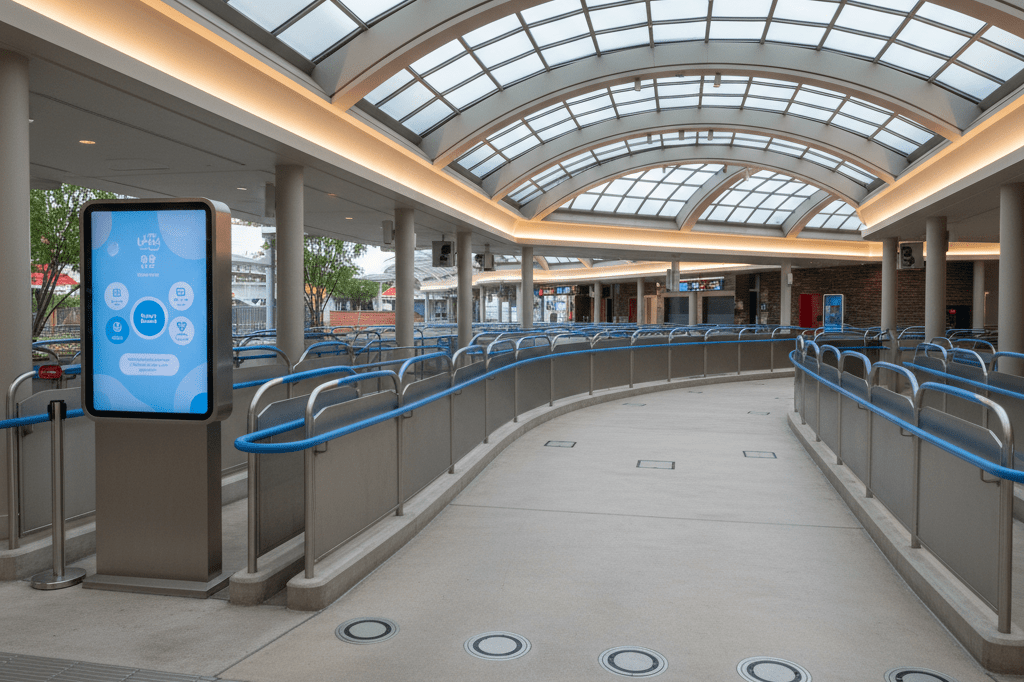
Business leaders across sectors can extract valuable insights from these accessibility versus efficiency tensions that extend far beyond theme park operations. The customer service standards established in high-volume entertainment venues often become benchmarks for retail, hospitality, and transportation industries. When queue management systems fail to accommodate diverse customer needs effectively, the ripple effects impact brand reputation, customer retention rates, and regulatory compliance across multiple touchpoints.
Merlin Entertainments Ride Access Pass Trial Details
| Aspect | Details |
|---|---|
| Trial Implementation Date | February 2, 2026 |
| Eligible Locations | Alton Towers, Chessington World of Adventures, Windsor Legoland |
| Eligibility Symbols | Difficulty standing, Level access, Urgent toilet needs |
| Excluded Symbol | Difficulty with crowds |
| Reason for Change | Increased demand for RAPs, feedback from disabled guests |
| Alternative Support for Excluded Guests | Personalised support at Guest Services, sensory rooms, quiet spaces |
| Review Period | After February, before March 2026 |
| Merlin’s Commitment | Supporting neurodiverse guests and mental health needs |
| Alternative Paid Option | Fastrack (£35+ on top of admission) |
| Source of Information | BBC, Inversion Mayhem Facebook post |
Queue Management Systems: Lessons from Attraction Parks
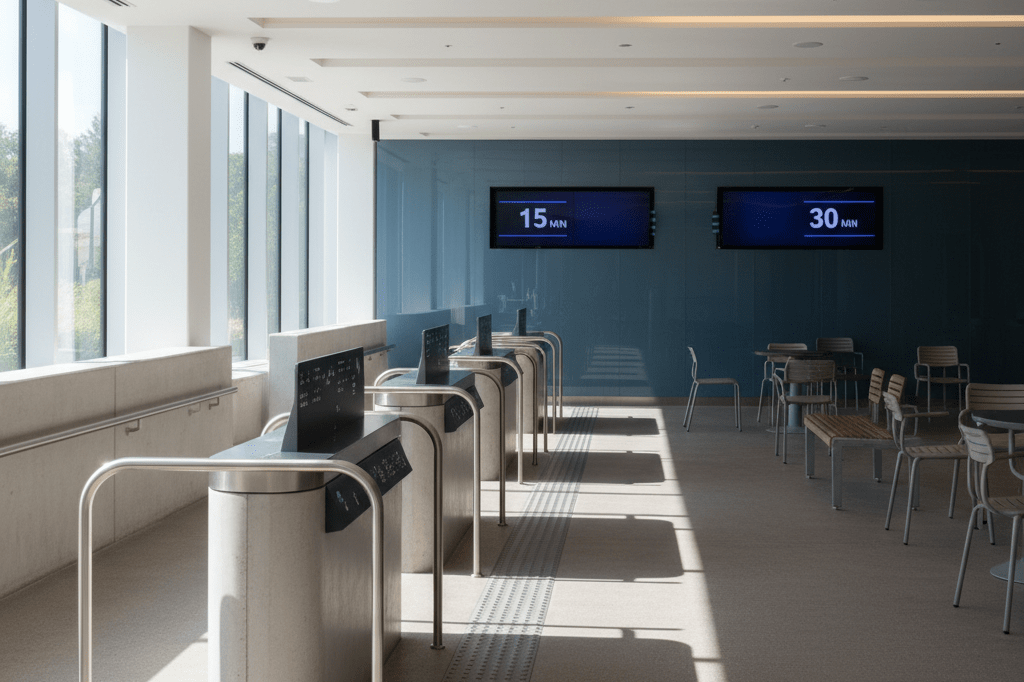
Modern queue management systems represent sophisticated operational frameworks that directly influence customer experience metrics and revenue optimization strategies. Theme parks process millions of visitors annually, creating natural laboratories for testing crowd flow algorithms, capacity distribution models, and service delivery protocols. The data generated from these high-traffic environments provides actionable intelligence for businesses managing similar volume challenges in retail, banking, and healthcare sectors.
Operational efficiency in queue management requires precise calibration between throughput capacity, customer satisfaction scores, and resource allocation strategies. Service design principles developed in attraction parks frequently transfer to airport terminals, shopping centers, and emergency departments where wait time management directly correlates with customer perception and business performance. The integration of accessibility considerations into these systems creates additional complexity layers that demand innovative technological solutions and policy frameworks.
The Access Pass Evolution: Finding Sustainable Solutions
Volume challenges in accessibility accommodation systems have reached critical thresholds across multiple industries, with some organizations reporting 65% increases in accommodation requests over 24-month periods. Merlin Entertainments’ decision to revise eligibility criteria reflects broader industry struggles with managing exponential growth in access pass applications while maintaining service quality for all customers. Rob Smith, Merlin’s chief operating officer, acknowledged that customer feedback indicated the prior system “was no longer working” amid rising demand pressures.
Customer segmentation strategies become essential when distinguishing between genuine accessibility needs and convenience preferences in high-demand service environments. The challenge extends beyond simple qualification criteria to encompass comprehensive assessment protocols, verification systems, and alternative accommodation pathways. Service equity principles require organizations to create measurable value propositions while maintaining operational feasibility across peak demand periods, seasonal fluctuations, and resource constraints.
Technology Solutions for Crowd Management
Virtual queuing innovations have emerged as game-changing solutions that reduce physical wait times for all customers through mobile applications, reservation systems, and real-time capacity monitoring. Disney’s Lightning Lane system processes over 50 million virtual queue transactions annually, while Universal Studios’ Express Pass technology reduces average wait times by 75% during peak operational periods. Cedar Fair Entertainment Company reports 40% improvements in guest satisfaction scores following implementation of mobile-first queue management platforms across their 11 amusement parks.
Data-driven decision making leverages traffic pattern analytics to optimize staffing allocation, predict bottleneck formation, and implement proactive capacity adjustments throughout operational cycles. Predictive analytics platforms analyze historical attendance data, weather patterns, and special event schedules to forecast demand spikes with 85-92% accuracy rates. These systems enable dynamic resource deployment, reducing service bottlenecks through automated staff scheduling, ride capacity adjustments, and crowd distribution algorithms that maintain operational efficiency while preserving customer experience quality.
Creating Inclusive Customer Experiences in High-Volume Environments
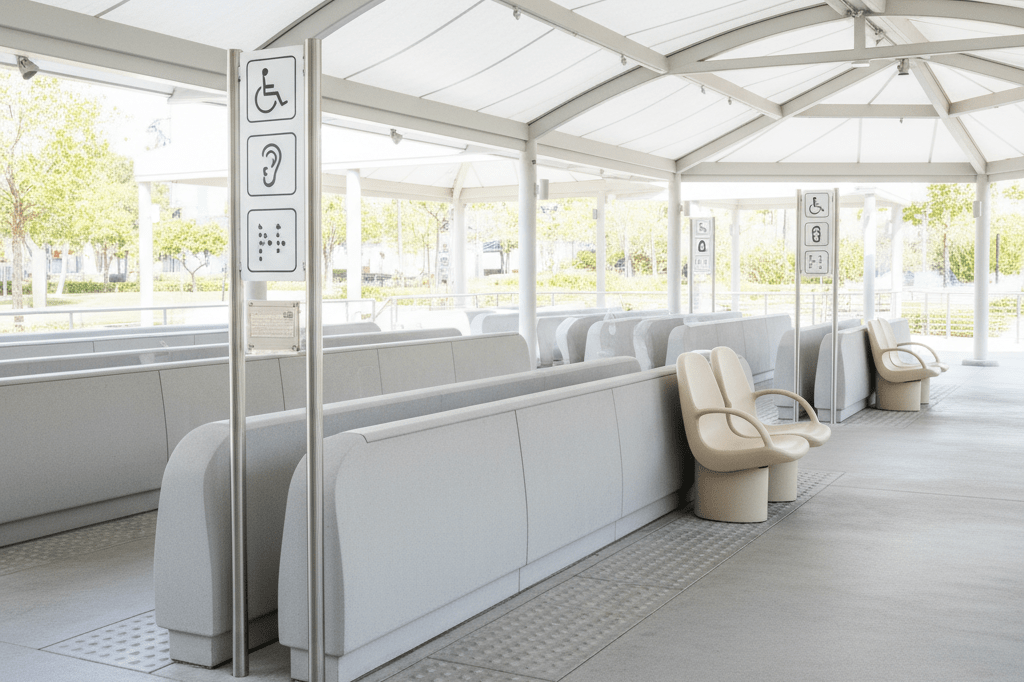
High-volume service environments require sophisticated accommodation frameworks that balance accessibility needs with operational capacity constraints, as evidenced by challenges facing major entertainment operators processing over 25 million annual visitors. Successful inclusive customer experiences emerge from strategic design principles that anticipate diverse customer requirements rather than retrofitting solutions after problems arise. Organizations must develop comprehensive service delivery models that integrate accessibility considerations into core operational protocols, ensuring seamless experiences for all customer segments without compromising efficiency metrics.
Customer service excellence in high-traffic environments demands proactive accommodation strategies that extend beyond basic compliance requirements to create competitive advantages through superior experience design. Industry leaders recognize that inclusive business practices generate measurable returns through increased customer retention rates, positive brand sentiment scores, and expanded market reach across demographic segments. The integration of accessibility features into primary service pathways often produces innovations that enhance experiences for all customers, creating universal benefits from targeted accommodation efforts.
Strategy 1: Tiered Access Programs That Work for Everyone
Differentiated service levels create structured frameworks that accommodate varying customer needs through premium, standard, and accommodation-based options while maintaining clear operational boundaries. Successful tiered programs establish transparent qualification criteria that eliminate subjective decision-making processes, reducing staff confusion and customer disputes during peak demand periods. Universal Studios’ Express Pass system demonstrates effective tiering through paid premium access, standard queue options, and documented accommodation pathways that serve distinct customer segments without creating service conflicts.
Staff training programs must empower employees to handle sensitive accommodation requests through standardized protocols that protect customer dignity while maintaining operational efficiency standards. Training modules should include scenario-based exercises covering 15-20 common accommodation scenarios, communication techniques for discussing eligibility requirements, and escalation procedures for complex cases requiring management intervention. Organizations report 40-60% reductions in accommodation-related complaints when frontline staff receive comprehensive training on inclusive service delivery techniques and policy implementation procedures.
Strategy 2: Physical Space Optimization
Sensory considerations in environment design address diverse customer needs through strategic lighting systems, noise management protocols, and visual clarity enhancements that reduce stress factors for neurodivergent individuals while improving experiences for all visitors. Modern queue areas incorporate sound dampening materials that reduce ambient noise levels by 25-35 decibels, LED lighting systems with adjustable intensity settings, and clear sightlines that minimize anxiety-inducing uncertainty about wait times and progress through service pathways. These modifications typically increase overall customer satisfaction scores by 15-20% across all demographic segments.
Flow management optimization reduces friction points in high-traffic areas through strategic pathway design, capacity monitoring systems, and alternative routing options that prevent bottleneck formation during peak periods. Alternative waiting areas provide comfortable spaces equipped with seating options, climate control systems, and sensory-friendly features that accommodate customers requiring different environmental conditions without removing them from service queues entirely. Retailers implementing dedicated quiet zones report 30% improvements in accommodation request satisfaction while maintaining standard throughput metrics across primary service areas.
Strategy 3: Communication Excellence During Policy Changes
Advance notice protocols require organizations to provide 90-day transition periods for policy adjustments affecting accessibility accommodations, allowing customers to plan visits accordingly and reducing negative impact on established patterns. Effective communication strategies include multi-channel notification systems utilizing email campaigns, website updates, social media announcements, and direct mail communications to reach diverse customer bases through preferred contact methods. Organizations implementing comprehensive advance notice programs report 50-70% reductions in policy-related complaints during transition periods compared to immediate implementation approaches.
Feedback channels establish meaningful customer input mechanisms through dedicated phone lines, online survey platforms, focus group sessions, and advisory committees that include disability advocacy representatives in policy development processes. Adaptable approaches build flexibility into operational standards through regular policy review cycles, customer impact assessments, and adjustment protocols that respond to changing customer needs while maintaining core service objectives. Companies utilizing structured feedback systems demonstrate 25-40% higher customer retention rates among accommodation users while identifying improvement opportunities that benefit broader customer populations.
Beyond Policies: Creating Genuinely Accessible Experiences
Universal design principles encompass five fundamental approaches that benefit all customers through intuitive navigation systems, multiple communication channels, flexible service delivery methods, redundant safety protocols, and adaptive technology integration. These principles extend beyond accommodation policies to create inherently accessible environments where diverse needs receive seamless integration into standard operational procedures rather than separate treatment pathways. Research demonstrates that universal design implementations generate 20-35% improvements in overall customer satisfaction metrics while reducing accommodation-specific service requests through proactive need anticipation.
Competitive advantage emerges from inclusive business practices through enhanced brand reputation, expanded market accessibility, and customer loyalty development among underserved demographic segments representing significant purchasing power. Forward planning strategies emphasize anticipating customer needs through demographic analysis, accessibility trend monitoring, and proactive infrastructure investments that position organizations ahead of regulatory requirements and competitor offerings. Companies implementing comprehensive accessibility planning report 15-25% increases in customer base diversity and corresponding revenue growth from previously underserved market segments.
Background Info
- Merlin Entertainments implemented revised eligibility criteria for its Ride Access Pass system across its UK theme parks—including Alton Towers in Staffordshire and Thorpe Park in Surrey—effective February 2026, excluding individuals with autism, ADHD, anxiety, and other neurodivergent or mental health conditions from automatic qualification.
- The change was introduced ahead of the February half-term school break (February 14–22, 2026) due to “increased demand” for the passes, according to Merlin Entertainments’ chief operating officer Rob Smith.
- Previously, guests with “difficulty with crowds” qualified for the Ride Access Pass, enabling use of a virtual queuing system that allowed them to wait outside physical queues and significantly reduce ride wait times.
- Terri, a 35-year-old resident of Stoke-on-Trent, stated her five-year-old autistic son Jasper would no longer be eligible for the pass, making an Alton Towers visit unfeasible: “We wouldn’t be able to go to Alton Towers because we couldn’t run the risk of big queues,” she said on February 6, 2026.
- Jasper had previously visited Alton Towers’ CBeebies Land multiple times and was especially anticipating the new Bluey-themed ride, but Terri expressed concern he would become overwhelmed and lash out in crowded queues.
- Terri criticized the policy as discriminatory toward hidden disabilities: “I just feel like the hidden disabilities are penalised. We still pay the same price for our Merlin passes as everybody else, but we can’t get to use them half as much.”
- Emma Camp, 38, from Wolverhampton, who experiences anxiety in large crowds, described herself as “devastated” by the new rules and said she felt “not included any more” and as if Merlin “didn’t care,” adding that offered alternatives—such as sensory rooms or quiet spaces—were impractical because they required leaving ride queues.
- Hannah, 45, from West Yorkshire, whose 15-year-old autistic son Eren is a dedicated theme park enthusiast and sensory seeker for motion, reported that without the Ride Access Pass, Eren could not tolerate the noise, crowding, and unpredictability of queues for popular rides such as Nemesis Reborn.
- Hannah characterized the policy shift as bringing her “a mixture of disappointment and anger.”
- Rob Smith acknowledged the concerns raised by guests and confirmed Merlin Entertainments would keep the revised eligibility approach “under review” ahead of its main season opening in March 2026.
- Smith stated Merlin’s motivation stemmed from customer feedback indicating the prior Ride Access Pass system “was no longer working” amid rising demand, and emphasized the company’s “deep commitment to creating inclusive experiences.”
- Merlin Entertainments operates Alton Towers under its portfolio of attractions owned by the Dubai-based investment firm Meraas, though this ownership detail was not cited in the BBC article.
- The BBC report, published on February 6, 2026, at 06:45:15.598Z, is the sole source for all quoted statements and contextual details provided; no corroborating documentation from Merlin’s official website or additional media outlets was included in the supplied material.
- No numerical data on pass application volumes, queue time reductions previously achieved via the pass, or percentage of affected guests was disclosed in the article.
- The term “Fast Lane” was not used in the BBC article; Merlin Entertainments refers to its accessibility accommodation as the “Ride Access Pass,” not Fast Lane (a branded express-queue product sold separately at some parks).
- The article does not mention whether the Ride Access Pass remains available for guests with physical disabilities, mobility impairments, or visible conditions—only that autism, ADHD, and anxiety were explicitly excluded under the new February 2026 criteria.