


Related search
Diamond Jewelry
Home Decor
Laptops
Lip Balm
Get more Insight with Accio
Huntington Bank Merger Reshapes Digital Commerce Banking
Huntington Bank Merger Reshapes Digital Commerce Banking
10min read·James·Feb 10, 2026
The February 2, 2026 completion of Huntington Bancshares’ merger with Cadence Bank created a financial powerhouse with approximately $279 billion in total assets, $221 billion in deposits, and $187 billion in loans. This banking consolidation represents one of the most significant regional bank mergers in recent years, instantly positioning the combined entity as the eighth-largest bank in Texas and the number one bank in Mississippi by deposit market share. The merger fundamentally alters the competitive landscape for digital commerce businesses seeking banking partnerships across 21 states.
Table of Content
- Regional Banking Consolidation: Effects on Digital Commerce
- How the Huntington-Cadence Merger Transforms Payment Processing
- Strategic Considerations for Online Sellers Following Bank Mergers
- Future-Proofing Your Business in an Era of Financial Evolution
Want to explore more about Huntington Bank Merger Reshapes Digital Commerce Banking? Try the ask below
Huntington Bank Merger Reshapes Digital Commerce Banking
Regional Banking Consolidation: Effects on Digital Commerce
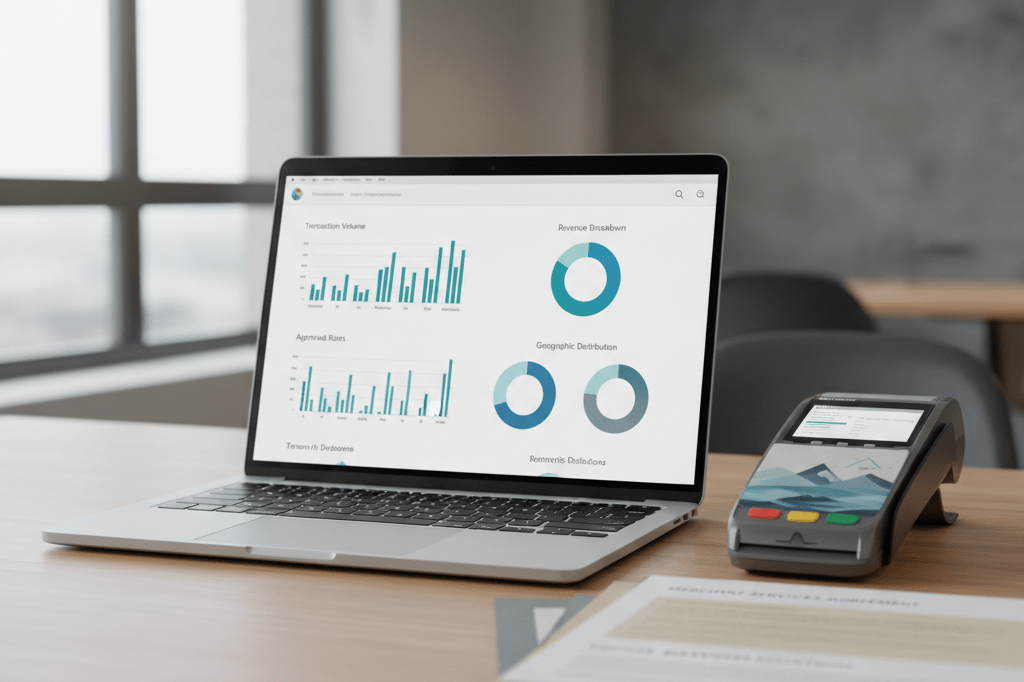
Banking consolidation trends like the Huntington-Cadence acquisition typically trigger ripple effects throughout payment ecosystems, affecting everything from merchant account pricing to digital wallet integrations. Financial institutions with larger asset bases often leverage economies of scale to offer more competitive payment processing rates, though they may also standardize services that smaller banks previously customized. Online sellers and digital commerce platforms must evaluate how these mega-mergers impact their banking relationships, particularly regarding merchant services, treasury management, and cross-border payment capabilities.
Huntington and Cadence Merger Details
| Event | Date | Details |
|---|---|---|
| Merger Agreement Signed | October 26, 2025 | Cadence will merge with and into The Huntington National Bank. |
| Regulatory Approvals Received | January 23, 2026 | All required regulatory approvals for the merger were received. |
| Shareholder Approvals Secured | January 6, 2026 | Shareholder approvals for the merger were secured. |
| Expected Merger Closing | February 1, 2026 | Subject to satisfaction or waiver of remaining closing conditions. |
| Stock Exchange Ratio | N/A | Huntington will issue 2.475 shares for each Cadence share. |
| Implied Per-Share Consideration | October 24, 2025 | $39.77 per share, based on closing stock prices. |
| Aggregate Transaction Value | N/A | $7.4 billion |
| Preliminary Purchase Price Consideration | N/A | $7.577 billion |
| Preliminary Goodwill Estimate | September 30, 2025 | $3.525 billion |
| Pro Forma Net Income (9 months ended) | September 30, 2025 | $2.180 billion |
| Pro Forma Net Income (year ended) | December 31, 2024 | $2.452 billion |
| Diluted Earnings Per Share (9 months ended) | September 30, 2025 | $1.12 |
| Diluted Earnings Per Share (year ended) | December 31, 2024 | $1.27 |
How the Huntington-Cadence Merger Transforms Payment Processing

The integration of two major regional banking networks creates substantial opportunities for payment system optimization and merchant service expansion across the newly combined footprint. Huntington’s acquisition of Cadence Bank’s 390 branches immediately expanded its physical presence while maintaining all existing locations with no planned closures, signaling commitment to comprehensive market coverage. This geographic expansion strategy directly impacts payment infrastructure capacity, enabling the merged bank to process higher transaction volumes across diverse regional markets from Texas to Ohio.
Large-scale banking integrations typically introduce temporary processing delays during system conversions, but they ultimately result in more robust payment networks with enhanced fraud detection and risk management capabilities. The mid-2026 account conversion timeline provides merchants with advance notice to prepare for potential service interruptions or system changes that might affect their payment processing workflows. Business buyers should monitor communications from both legacy Cadence and Huntington systems to ensure uninterrupted merchant services during the integration period.
The 390-Branch Network Effect on Payment Infrastructure
Huntington’s expanded 21-state financial footprint now encompasses nearly 1,400 physical locations, creating unprecedented regional coverage for businesses requiring in-person banking support alongside digital payment services. The addition of Cadence’s 390 branches concentrated across Texas and the South provides immediate access to high-growth markets where digital commerce adoption continues accelerating. This geographic density enables more localized merchant support while maintaining centralized payment processing infrastructure that can handle enterprise-level transaction volumes.
As the eighth-largest bank in Texas by deposit market share, the combined entity gains significant negotiating power with payment processors, card networks, and fintech partners. Texas represents approximately 12% of U.S. GDP, making this market position particularly valuable for businesses seeking competitive merchant service rates and priority support for payment innovations. The expanded branch network also facilitates cash management services for omnichannel retailers who need efficient deposit processing across multiple states.
Digital Commerce Implications of Banking Consolidation
Larger banking institutions typically negotiate better interchange rates with card networks due to their higher processing volumes, potentially translating to reduced transaction costs for merchant clients. Huntington’s increased scale following the Cadence acquisition positions the bank to offer more competitive payment processing fees, particularly for high-volume e-commerce businesses that generate substantial monthly card transaction volumes. However, consolidated banks may also implement more standardized pricing structures that eliminate some of the customized rate negotiations smaller institutions previously offered.
Small business lending capacity often expands following successful bank mergers, as combined institutions can deploy larger credit facilities while spreading risk across broader geographic markets. The merged Huntington-Cadence entity’s $187 billion loan portfolio provides substantial capital for supporting digital commerce businesses requiring inventory financing, working capital lines, or equipment purchases for scaling operations. Additionally, the unified banking platform scheduled for full implementation by mid-2026 should streamline applications for integrated merchant services and business credit products, though temporary processing delays may occur during system conversions.
Strategic Considerations for Online Sellers Following Bank Mergers

The Huntington-Cadence merger exemplifies how major banking consolidations create both opportunities and challenges for online sellers navigating evolving financial landscapes. Smart merchants must proactively evaluate their payment processing strategies during the 90-day window following merger announcements, when banks typically freeze new rate negotiations while integrating systems. This critical period offers businesses the chance to reassess merchant services contracts and explore alternative processing relationships before the merged entity implements standardized pricing structures.
Banking consolidation fundamentally alters the competitive dynamics of merchant services, as larger institutions leverage increased transaction volumes to negotiate better interchange rates with card networks like Visa and Mastercard. However, these benefits don’t automatically transfer to merchant clients, making it essential for online sellers to actively renegotiate their processing agreements. The combined Huntington-Cadence entity’s $279 billion in assets provides substantial negotiating power, but businesses must demonstrate their value through transaction volume commitments and comprehensive banking relationships to secure favorable rates.
Payment Processing Options in Consolidated Banking Markets
Transaction fee analysis becomes crucial when evaluating merchant account options following major bank mergers, as consolidated institutions often standardize pricing across their expanded networks. The Huntington-Cadence integration may result in blended rate structures that favor high-volume processors while potentially increasing costs for smaller merchants who previously benefited from relationship-based pricing at Cadence branches. Online sellers processing more than $10,000 monthly should request detailed cost breakdowns comparing current rates to post-merger pricing, including interchange-plus versus flat-rate structures.
Payment processing alternatives beyond traditional banking relationships gain importance as consolidated institutions prioritize enterprise clients over small-to-medium businesses. Independent payment processors, fintech solutions like Stripe or Square, and specialized e-commerce platforms often provide more competitive rates and faster implementation timelines than large banks undergoing system integrations. The mid-2026 Huntington system conversion timeline creates a natural opportunity for merchants to evaluate alternative processor comparisons without early termination fees, as most contracts include merger-related exit clauses.
Inventory Financing and Capital Access Post-Merger
Working capital impact following the Huntington-Cadence merger varies significantly based on existing credit relationships and the merged institution’s risk assessment protocols. Banks typically reassess lending requirements during consolidation periods, potentially tightening underwriting standards or requiring additional collateral for inventory financing arrangements. The combined entity’s $187 billion loan portfolio provides substantial lending capacity, but credit line reassessments may temporarily restrict access to seasonal inventory financing or expansion capital during the integration period.
New banking relationship management becomes essential as former Cadence customers navigate Huntington’s lending procedures and account management structures. Online sellers should establish contact with designated relationship managers before the mid-2026 system conversion to ensure continuity of credit facilities and inventory financing programs. Building rapport with the merged entity requires demonstrating strong cash flows, diversified sales channels, and comprehensive financial reporting that aligns with Huntington’s larger-scale banking operations and risk management protocols.
Cross-Border Commerce Considerations
International wire transfers face significant changes as Huntington integrates Cadence’s correspondent banking relationships and foreign exchange partnerships. The merged institution’s expanded 21-state network may negotiate better international transfer rates through increased volume commitments, but new fee structures could impact businesses regularly sending payments to overseas suppliers or receiving funds from international customers. Currency exchange services typically undergo standardization during bank mergers, potentially eliminating competitive FX rates that smaller regional banks previously offered to retain commercial clients.
Global market expansion opportunities increase as the combined Huntington-Cadence network provides access to broader international banking partnerships and trade finance capabilities. The merged entity’s enhanced capital base supports larger letters of credit and trade financing arrangements, enabling online sellers to pursue international supplier relationships or expand into new geographic markets. However, businesses should compare pre and post-merger offerings for international services, as consolidated institutions may prioritize standardized products over customized cross-border solutions that regional banks traditionally provided.
Future-Proofing Your Business in an Era of Financial Evolution
Banking industry changes accelerate as regional consolidation creates fewer, larger institutions with standardized service offerings and technology platforms. The Huntington-Cadence merger represents a broader trend toward mega-regional banks that prioritize operational efficiency over personalized relationship banking, fundamentally altering how online sellers access financial services. Payment processing strategy must evolve to account for reduced competition among traditional banks and increased reliance on fintech alternatives for specialized e-commerce needs.
Diversified banking relationships become essential risk management tools as fewer institutions control larger market shares and system outages or service disruptions can impact multiple business functions simultaneously. Smart online sellers maintain merchant accounts with at least two different processors, business checking accounts at separate banks, and credit facilities from diverse lenders to prevent single points of failure. Technology adaptation requires continuous monitoring of banking platform migrations, API changes, and integration requirements that affect automated payment processing, inventory management systems, and financial reporting tools.
Background Info
- Huntington Bancshares Incorporated completed its merger with Cadence Bank on February 2, 2026.
- The merger was announced and closed on the same date, February 2, 2026, as confirmed by the PR Newswire release published at 07:30 ET.
- Following the merger, Huntington became the eighth-largest bank in Texas and the number one bank in Mississippi by deposit market share.
- As of December 31, 2025, the combined company held approximately $279 billion in total assets, $221 billion in deposits, and $187 billion in loans.
- Cadence Bank operated 390 branches across Texas and the South prior to the merger; these were added to Huntington’s network, bringing its total branch count to nearly 1,400 locations across 21 states.
- Huntington stated it intends to maintain all 390 Cadence branches—with no closures—and invest to grow the network over time.
- Cadence customers continued banking normally at existing branches post-merger; account conversions to Huntington’s systems were scheduled for mid-2026.
- Huntington’s Board of Directors appointed three new directors from Cadence’s former board: James D. “Dan” Rollins III, Virginia Hepner, and Alice Rodriguez.
- Dan Rollins joined Huntington as non-executive Vice Chairman of the Board of Directors of Huntington Bancshares Incorporated and as a director of both Huntington Bancshares Incorporated and The Huntington National Bank.
- Rollins served as Chairman of Cadence Bank’s Board since April 2014 and as CEO since November 2012.
- Virginia Hepner had a 25-year career at Wachovia Bank (a Wells Fargo Company), holding roles including Managing Director of U.S. Corporate Finance and Commercial Banking Director for Atlanta.
- Alice Rodriguez spent 35 years at JPMorgan Chase & Co., most recently as Managing Director, Head of Community Impact and Regional Director, Consumer Banking and Wealth Management.
- Steve Steinour, chairman, president and CEO of Huntington, said: “We’re thrilled to welcome our new colleagues and customers from Cadence to Huntington,” on February 2, 2026.
- Dan Rollins stated: “Today is a historic milestone for Cadence and Huntington as we officially unite to forge a top-ten bank nationally with a shared mission to deliver the same relationship-first, community-based approach that our legacies are built on,” on February 2, 2026.
- Brant Standridge, president of Consumer & Regional Banking at Huntington, said: “Through this partnership, we are going to deliver even more for our customers,” on February 2, 2026.
- Huntington Bancshares Incorporated is headquartered in Columbus, Ohio, and was founded in 1866.
- The Huntington National Bank and its affiliates offer banking, payments, wealth management, and risk management services to consumers, businesses, corporations, and municipalities.
- Huntington operates certain businesses beyond its 21-state branch footprint, though specific extended geographies were not named in the source.
- Customer communications regarding account conversions were expected to be distributed to Cadence customers in the weeks following February 2, 2026.
- Huntington customers were not impacted by the system conversion process.
Related Resources
- Prnewswire: Huntington Bank Names Senthil Kumar Chief Risk…
- Communityimpact: Huntington Bancshares finalizes merger…
- Rvbusiness: Video: Huntington Bank’s ‘Three Things Learned…
- Financialregnews: Huntington Bank announces Senthil Kumar…
- Clevescene: Photos: Clevelanders Streaked Around Huntington…