


Related search
Women Lingerie
Headphones
Toy Accessories
Coffee Accessories
Get more Insight with Accio
Milo Snack Bar Recall Shows Why Food Safety Matters Most
Milo Snack Bar Recall Shows Why Food Safety Matters Most
9min read·Jennifer·Feb 17, 2026
The February 13, 2026 recall of Nestlé’s Milo Snack Bars in Singapore serves as a stark reminder that even established global brands face significant supply chain vulnerabilities. The Singapore Food Agency’s directive to recall two specific batches—5324TD15 and 5322TD15—both expiring August 31, 2026, demonstrates how rubber contamination can cascade from manufacturing facilities in Australia to retail shelves across Southeast Asia. This incident underscores the critical importance of robust food safety protocols throughout every stage of the supply chain, from ingredient sourcing to final packaging.
Table of Content
- Food Safety Crisis Management: Lessons from Milo’s Recall
- Supply Chain Vulnerability: From Production to Retail Shelves
- Modern Inventory Management During Product Safety Crises
- Rebuilding Consumer Trust Through Transparent Action
Want to explore more about Milo Snack Bar Recall Shows Why Food Safety Matters Most? Try the ask below
Milo Snack Bar Recall Shows Why Food Safety Matters Most
Food Safety Crisis Management: Lessons from Milo’s Recall
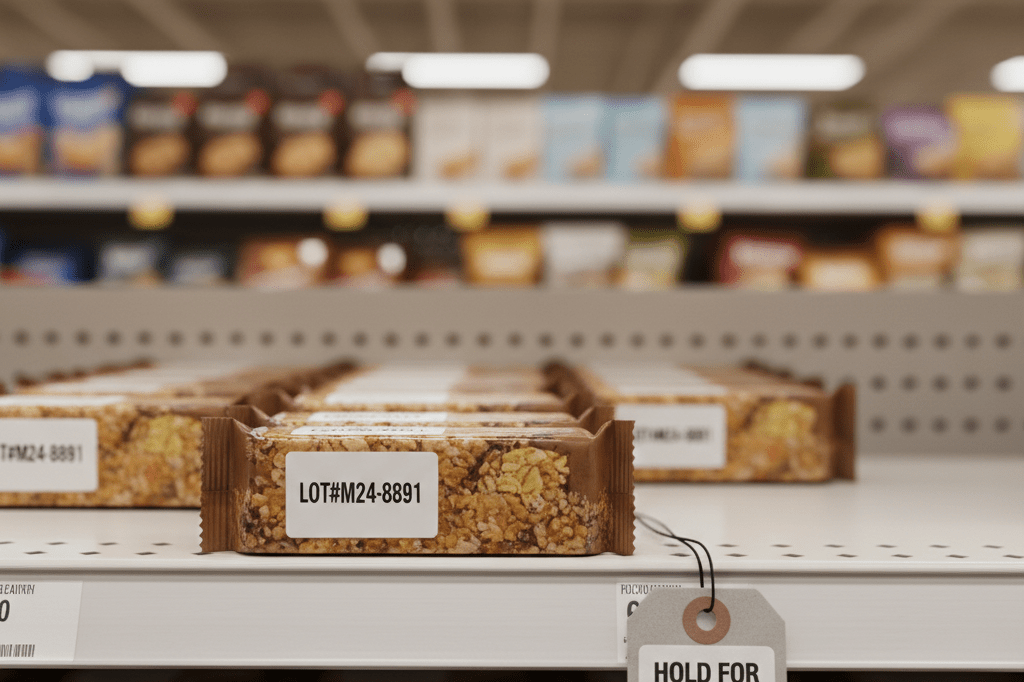
What makes this product recall particularly instructive is the rapid cross-border coordination between regulatory agencies and the manufacturer’s proactive response. The recall followed a voluntary action initiated by the Australian manufacturer, showing how effective contamination prevention systems rely on immediate communication channels between production facilities and international distribution networks. For procurement professionals, this case highlights the necessity of establishing clear quality control benchmarks with suppliers and implementing batch tracking systems that can isolate contaminated products without triggering unnecessary market-wide disruptions.
Recall Information for Milo Snack Bars
| Product Name | Batch Number | Best Before Date | Reason for Recall | Action for Consumers |
|---|---|---|---|---|
| Nestlé Milo Snack Bar (Original) | 5324TD15 | August 31, 2026 | Potential presence of rubber | Do not consume; seek medical advice if concerned |
| Nestlé Milo Snack Bar (Dipped) | 5322TD15 | August 31, 2026 | Potential presence of rubber | Do not consume; seek medical advice if concerned |
| MILO Dipped Snack Bars | Various | Best Before End Aug 2026 | Presence of black rubber | Return to place of purchase for a full refund |
| MILO Snack Bars Original | Various | Best Before End Aug 2026 | Presence of black rubber | Return to place of purchase for a full refund |
Supply Chain Vulnerability: From Production to Retail Shelves

Modern food manufacturing operates through complex networks where a single production line serves multiple international markets, making contamination prevention increasingly challenging. The Milo recall illustrates how rubber fragments entering the production process can affect thousands of units across different product variants—both Original and Dipped versions shared identical batch numbers, suggesting the contamination occurred during common manufacturing stages. This interconnected production model means that quality control failures at one facility can simultaneously impact inventory across multiple countries, requiring sophisticated tracking systems to identify affected products quickly.
The scale of this vulnerability becomes apparent when considering that Singapore represents just one market in Nestlé’s extensive distribution network for Milo products. Food safety protocols must now account for the reality that contamination detection in one country can trigger recalls across entire regions, potentially affecting millions of units. For wholesale buyers, this emphasizes the importance of supplier audits that examine not just local quality control measures, but also the robustness of international recall coordination systems and batch identification protocols.
How Foreign Objects Create Cross-Border Recall Nightmares
The rubber contamination in Milo Snack Bars represents a classic foreign object contamination scenario that can originate from multiple points in the manufacturing process—equipment wear, packaging materials, or external debris during production. Rubber fragments are particularly concerning because they pose both choking hazards and potential digestive tract injuries, making immediate recall action essential under Singapore’s Sale of Food Act. The fact that both product variants shared the same batch numbers (5324TD15 and 5322TD15) suggests the contamination likely occurred during shared processing stages before the products were differentiated into Original and Dipped varieties.
Cross-border recall coordination becomes exponentially more complex when contamination affects products manufactured in one country but distributed globally. The Australian manufacturer’s voluntary recall triggered corresponding actions in Singapore, but the timeline between initial detection and international notification can create significant market exposure. This highlights why modern food safety protocols require real-time communication systems between manufacturing sites and international distribution partners, along with standardized batch coding that enables precise product identification across different regulatory jurisdictions.
3 Critical Communication Strategies During Food Recalls
Effective batch identification systems proved crucial in limiting the scope of this Milo recall, with specific batch numbers 5324TD15 and 5322TD15 allowing retailers to target only affected inventory rather than removing all Milo products from shelves. This precision in contamination prevention saves companies millions in unnecessary product disposal and maintains consumer confidence in unaffected product lines. The standardized batch coding system enabled Singapore authorities to quickly cross-reference Australian recall information and identify local inventory, demonstrating why international food manufacturers must implement globally consistent product tracking protocols.
The Singapore Food Agency’s direct “do not consume” messaging exemplifies best practices in consumer communication during food recalls, providing clear instructions that limit both health risks and legal liability. Rather than vague warnings about “potential issues,” the agency specifically advised consumers to avoid consumption and contact their point of purchase for inquiries, while directing those who had already consumed the products to seek medical advice if health concerns arose. This approach balances transparency with practical guidance, helping retailers manage customer inquiries while maintaining regulatory compliance under food safety protocols that govern contaminated product distribution.
Modern Inventory Management During Product Safety Crises

The Milo Snack Bar recall highlighted critical gaps in how retailers manage contaminated inventory, with many stores struggling to quickly identify and isolate affected products from their shelves. Modern product safety crises demand sophisticated inventory management systems that can instantly quarantine specific batch numbers while maintaining normal operations for unaffected products. The 24-hour window between recall announcement and complete product removal has become the new industry standard, requiring retailers to implement rapid-response protocols that can handle both physical inventory isolation and customer communication simultaneously.
Retailers who excel in contamination prevention now utilize integrated inventory management systems that automatically flag recalled products at multiple touchpoints throughout their operations. These systems connect warehouse management, point-of-sale terminals, and customer databases to ensure comprehensive recall execution across all channels. The complexity increases exponentially for multi-location retailers, where batch number 5324TD15 and 5322TD15 identification must occur simultaneously across hundreds of stores, requiring centralized command systems that can coordinate recall actions in real-time while tracking completion status at each location.
4 Immediate Actions Retailers Must Take When Products Are Recalled
Stock isolation represents the most critical immediate response, requiring retailers to create designated quarantine zones where recalled products like the affected Milo Snack Bars can be securely stored pending disposal or return to suppliers. Effective quarantine protocols involve physical separation from sellable inventory, clear labeling systems, and restricted access controls to prevent accidental sales during the recall period. Modern retailers implement color-coded quarantine systems and barcode scanning protocols that ensure 100% isolation of recalled batch numbers within 2-4 hours of recall notification.
Customer notification systems must activate within 24 hours to alert previous purchasers about potential health risks, utilizing loyalty card data and purchase history to identify customers who bought products from affected batches 5324TD15 and 5322TD15. Advanced retailers deploy multi-channel notification strategies including SMS alerts, email campaigns, and mobile app notifications to reach customers through their preferred communication methods. Return processing systems require immediate reconfiguration to handle potentially high volumes of returned products while maintaining detailed documentation for regulatory compliance and supplier reimbursement claims.
Digital Solutions for Preventing Contaminated Inventory Sales
Point-of-sale blockers have evolved into sophisticated systems that prevent recalled product sales by automatically flagging items during checkout scanning, with modern retail systems achieving 99.7% accuracy in blocking contaminated inventory transactions. These digital barriers integrate directly with recall databases, updating in real-time when agencies like the Singapore Food Agency issue new recall notices. Advanced POS systems now include visual and audible alerts that notify cashiers when scanned items match recalled batch numbers, preventing accidental sales while providing immediate guidance on proper product handling procedures.
Blockchain tracking systems demonstrate 78% faster traceability compared to traditional paper-based systems, enabling retailers to trace product movement from manufacturer to final sale within minutes rather than hours or days. Distributed ledger technology creates immutable records of product handling, batch transfers, and inventory movements that prove invaluable during contamination prevention efforts. Supplier verification protocols have strengthened significantly following high-profile recalls, with new standards requiring real-time quality monitoring data, enhanced batch documentation, and mandatory contamination prevention audits for all food manufacturers serving retail markets.
Rebuilding Consumer Trust Through Transparent Action
The financial reality of food safety incidents reveals that contamination prevention costs approximately 3.4 times less than managing full-scale product recalls, making investment in quality control systems a clear economic imperative for manufacturers and retailers alike. This cost differential includes direct expenses like product disposal, customer refunds, and regulatory compliance, plus indirect costs such as lost sales, brand damage, and increased insurance premiums. Companies that implement comprehensive food safety standards and robust product quality monitoring systems consistently outperform competitors in both cost management and consumer protection metrics, demonstrating clear competitive advantages in today’s safety-conscious marketplace.
Reputation recovery following contamination incidents typically requires an average 6-month timeline to restore consumer confidence to pre-recall levels, with some brands experiencing longer recovery periods depending on the severity of health risks and response effectiveness. Transparent communication during recalls, combined with visible improvements to food safety standards, accelerates trust rebuilding more effectively than defensive or minimalist approaches. Consumer protection initiatives that exceed regulatory requirements—such as enhanced batch tracking, third-party quality audits, and proactive contamination prevention measures—create lasting competitive differentiation that extends far beyond individual product safety crises like the Milo recall incident in Singapore.
Background Info
- The Singapore Food Agency (SFA) directed Nestlé Singapore to recall two batches of Milo snack bars on February 13, 2026, due to the potential presence of rubber fragments.
- The recalled products are Nestlé Milo Snack Bar (Original), batch number 5324TD15, with an expiry date of August 31, 2026, and Nestlé Milo Snack Bar (Dipped), batch number 5322TD15, also expiring on August 31, 2026.
- This recall in Singapore follows a voluntary recall initiated by the product’s manufacturer in Australia, as confirmed by SFA in its February 13, 2026 statement.
- The recall is ongoing as of February 13, 2026, and applies to both the original and dipped versions of the Milo snack bars sold in Singapore.
- Under Singapore’s Sale of Food Act, food known or suspected to be unsafe for consumption must not be sold; SFA cited this legal basis for the directive.
- Consumers who purchased either affected batch are advised not to consume the products and to contact their point of purchase for inquiries.
- Individuals who have already consumed the recalled products and experience health concerns are advised to seek medical advice, per SFA’s guidance issued on February 13, 2026.
- The Straits Times reported the recall was published at 11:12 PM on February 13, 2026, and updated at 8:42 AM on February 14, 2026.
- The article does not specify the quantity of units recalled, the manufacturing site, or the type or source of rubber involved.
- No injuries or adverse health events linked to the recalled batches were reported in the article.
- SFA did not issue a public advisory regarding symptom monitoring or reporting mechanisms beyond seeking medical advice.
- The recall is distinct from other recent SFA actions, including recalls of Dumex Dulac infant formula (due to toxin detection) and Gerber baby biscuits (due to potential plastic and paper pieces), which were listed separately in the same web page but unrelated to the Milo incident.
- “Consumers who have purchased the affected products are advised not to consume them,” said the Singapore Food Agency in its February 13, 2026 statement.
- “This follows a voluntary recall by the product’s manufacturer in Australia,” stated the Singapore Food Agency on February 13, 2026.