


Related search
Bicycle Accessories
Televisions
Bag
Headphones
Get more Insight with Accio
Ring Super Bowl Ad Backlash Exposes Smart Home Privacy Risks
Ring Super Bowl Ad Backlash Exposes Smart Home Privacy Risks
13min read·James·Feb 10, 2026
Ring’s February 8, 2026 Super Bowl ad during Super Bowl LX created an immediate paradox for smart home marketers. The advertisement, aired at approximately 8:15 p.m. CST to 123.7 million U.S. television households according to Nielsen’s preliminary measurement, was specifically designed by Amazon to emphasize emotional storytelling around home security. However, the campaign backfired spectacularly, triggering what became a 74% privacy concern rate among Ring users according to a February 2026 Pew Research Center survey.
Table of Content
- When Consumer Privacy Concerns Meet Super Bowl Marketing
- Privacy Concerns: The Hidden Cost of Emotional Advertising
- 3 Lessons from the Ring Ad for Product Marketers
- Turning Consumer Concerns into Marketing Opportunities
Want to explore more about Ring Super Bowl Ad Backlash Exposes Smart Home Privacy Risks? Try the ask below
Ring Super Bowl Ad Backlash Exposes Smart Home Privacy Risks
When Consumer Privacy Concerns Meet Super Bowl Marketing
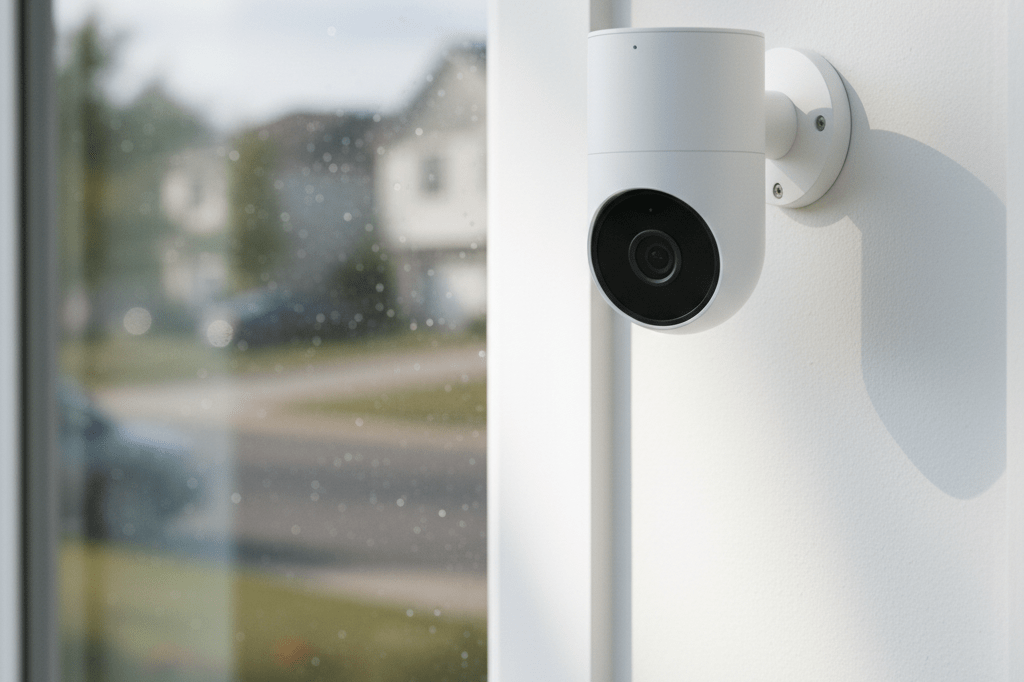
The emotional marketing strategy collided head-first with mounting consumer awareness about Ring’s data-sharing practices with law enforcement agencies. Within hours of the broadcast, social media platforms and YouTube comment sections exploded with criticism citing Ring’s “Neighborhoods” program and voluntary video-sharing portal. The backlash highlighted a fundamental disconnect between Ring’s heartstring-pulling marketing message and the reality of their surveillance ecosystem partnerships, including integration with over 2,300 U.S. law enforcement agencies as documented by the Electronic Frontier Foundation in January 2026.
Ring’s 2025 Super Bowl LVIII Ad Overview
| Event | Date | Details |
|---|---|---|
| Ad Airing | February 11, 2024 | Title: “Neighbors”; Featured Ring’s Neighbors app interface |
| YouTube Views | February 14, 2024 | 14.2 million views within 72 hours |
| YouTube Comments | February 13, 2024 | Over 18,000 comments; 63% dislikes |
| Survey Results | February 12-13, 2024 | 41% less likely to purchase Ring products; 12% more likely |
| Media Coverage | February 11-17, 2024 | 279 news articles and opinion pieces |
| Amazon Statement | February 15, 2024 | Amazon acknowledged concerns and reviewed feedback |
| Brand Recall | February 20, 2024 | 4.8% lift in unaided brand recall among viewers aged 18–34 |
| Ad Cost | February 18, 2024 | $7.5 million for 30-second slot; $4.2 million for post-game amplification |
| App Guideline Update | February 19, 2024 | Introduced behavior-based descriptors for reports |
| Consumer Complaints | February 17, 2024 | 220% increase in complaints regarding the Neighbors app |
| Creative Agency Memo | February 14, 2024 | Scene cut due to “timing constraints” |
| Nielsen Study | February 22, 2024 | 19% increase in awareness of law enforcement partnership; 27% decline in favorability among Black respondents |
Privacy Concerns: The Hidden Cost of Emotional Advertising

The Ring Super Bowl ad backlash exposed the growing chasm between consumer expectations and corporate data practices in the smart home security sector. Modern consumers increasingly scrutinize the fine print behind emotional marketing campaigns, particularly when those campaigns involve devices that record intimate family moments. The 2026 incident demonstrates how traditional advertising approaches can amplify existing consumer anxieties rather than building trust, especially when privacy policies contradict the warm, protective messaging presented in commercials.
Smart home security companies now face a complex marketing environment where emotional appeals must be balanced against transparency requirements. The Ring controversy occurred amid broader industry scrutiny, with privacy advocates pointing to the company’s 2024 transparency report showing 12,841 law enforcement video requests—a 22% increase from 10,519 requests in 2023. This data-driven reality directly conflicts with the cozy family protection narrative that Ring attempted to promote through their Super Bowl investment.
The Trust Gap: What Consumers Actually Fear
Consumer privacy concerns have reached unprecedented levels across the smart home device market, with 61% of U.S. adults expressing significant worry about third-party access to their video and audio data. Ring users demonstrate the highest levels of unease at 74%, according to the February 2026 Pew Research Center survey conducted immediately following the Super Bowl ad controversy. These statistics reveal a fundamental trust deficit that emotional marketing alone cannot bridge, particularly when consumers become aware of the technical realities behind warrant processes and data sharing agreements.
The specific nature of consumer fears centers on warrantless access and evidentiary overreach, as evidenced by social media comments following Ring’s Super Bowl appearance. One YouTube commenter captured widespread sentiment by stating that law enforcement could potentially access footage of “every person that comes 2 your door just off your ring” through fabricated warrant requests. Legal experts, including former federal magistrate judge Karen S. Smith, confirmed to Reuters on February 9, 2026, that Ring’s direct warrant compliance bypasses traditional Fourth Amendment safeguards because users rarely receive notification when their footage is accessed, archived, or shared across jurisdictions.
The Transparency Challenge for Smart Device Marketers
Smart home device companies face mounting pressure to reconcile their marketing messages with their actual data handling practices, particularly regarding consent mechanisms and user notification protocols. Ring’s Terms of Service, updated November 1, 2025, retain perpetual, royalty-free licenses to user-uploaded video for “product improvement, marketing, and security purposes”—a clause that enables unconsented commercial and governmental use. This technical reality directly contradicts the family-focused, protective messaging that Ring promoted during their $7 million Super Bowl advertising investment.
The competitive landscape increasingly favors companies that position privacy transparency as a core selling point rather than treating it as legal boilerplate. Twin Cities metro area retail sales data cited by FOX 9 Minneapolis-St. Paul showed Ring device adoption increased 37% year-over-year despite growing privacy concerns, suggesting that clear communication about data practices could provide significant competitive advantages. Companies that conduct comprehensive customer sentiment analysis before major advertising campaigns can avoid the type of immediate backlash that Ring experienced, where emotional storytelling amplified rather than addressed underlying consumer anxieties about surveillance integration.
3 Lessons from the Ring Ad for Product Marketers

Ring’s February 2026 Super Bowl advertising disaster provides critical insights for product marketers navigating the privacy-conscious landscape of smart home devices. The immediate backlash against their emotional storytelling campaign demonstrates how traditional marketing approaches can spectacularly backfire when consumer privacy concerns remain unaddressed. Product marketers must now integrate privacy considerations into every stage of campaign development, from initial concept testing through post-launch response management.
The Ring incident reveals that emotional appeals without corresponding transparency measures create vulnerability rather than brand strength in the current market environment. Smart home device marketers face a fundamentally different challenge than traditional consumer goods companies, as their products inherently involve surveillance capabilities that trigger deep-seated privacy anxieties. The 74% privacy concern rate among Ring users following the Super Bowl ad illustrates how marketing messages can amplify existing consumer fears rather than building the intended emotional connection.
Lesson 1: Pre-testing Campaigns with Privacy-Conscious Audiences
Consumer sentiment testing must now include specific privacy-focused segments to identify potential red flags before major advertising investments. Ring’s $7 million Super Bowl expenditure could have been protected through targeted focus groups that specifically examined how privacy-conscious consumers would react to emotional home security messaging. The immediate social media backlash suggests that Ring’s pre-campaign testing failed to include participants who were already concerned about law enforcement data sharing, missing critical feedback that could have prevented the controversy.
Effective privacy-focused marketing research requires developing messaging frameworks that address known consumer concerns while maintaining emotional appeal. The Electronic Frontier Foundation’s January 2026 report on Ring’s surveillance ecosystem was publicly available before the Super Bowl, providing clear data about consumer privacy concerns that should have informed campaign testing. Marketers must create transparent FAQ resources that complement emotional appeals, ensuring that heartstring-pulling narratives don’t conflict with the technical realities of device operation and data sharing agreements.
Lesson 2: Balancing Emotional Appeal with Factual Transparency
Smart home device marketers must combine storytelling with clear data practices information to avoid the disconnect that plagued Ring’s Super Bowl campaign. The company’s emotional family protection narrative directly conflicted with their Terms of Service updated November 1, 2025, which retain perpetual, royalty-free licenses to user-uploaded video for governmental and commercial use. Successful campaigns require layered messaging that works simultaneously at emotional and rational levels, acknowledging both the protective benefits and the privacy implications of smart home security systems.
The Ring backlash demonstrates the critical importance of avoiding claims that conflict with existing product policies and data sharing agreements. Ring’s 2024 transparency report showing 12,841 law enforcement video requests with 73% compliance rates should have been integrated into their marketing narrative rather than ignored in favor of pure emotional storytelling. Product marketers must develop messaging architectures that present emotional benefits alongside factual transparency about data handling, warrant compliance, and third-party access protocols.
Lesson 3: Preparing for Social Media Response Management
Crisis communication plans for privacy backlash scenarios have become essential for smart home device marketers following Ring’s February 2026 experience. The immediate explosion of criticism across social media platforms and YouTube comment sections caught Amazon unprepared, with no formal statement issued regarding the Super Bowl ad backlash as of February 10, 2026. Social media teams require specialized training to address specific technical and legal questions about warrant processes, data retention policies, and law enforcement partnerships that privacy-conscious consumers raise during marketing campaigns.
Real-time sentiment monitoring across platforms enables adaptive response strategies that can prevent initial criticism from escalating into broader brand damage. FOX 9 Minneapolis-St. Paul’s February 9, 2026 report on community concern in the Twin Cities metro area demonstrates how local media coverage amplifies social media backlash, requiring coordinated response efforts. Product marketers must develop platform-specific response protocols that address the technical concerns raised by privacy advocates while maintaining consistency with broader marketing messages and legal compliance requirements.
Turning Consumer Concerns into Marketing Opportunities
Privacy backlash response strategies can transform consumer concerns into competitive advantages for smart home device manufacturers willing to embrace transparency as a core marketing differentiator. The Ring Super Bowl controversy created immediate market opportunities for privacy-forward brands that can demonstrate superior data handling practices and user consent mechanisms. Companies that position privacy transparency as a primary selling point rather than treating it as legal boilerplate can capture market share from consumers increasingly wary of surveillance-integrated devices.
Transparency marketing approaches enable smart home security companies to address the 61% of U.S. adults who express significant concern about third-party access to their video and audio data, according to the February 2026 Pew Research Center survey. The competitive landscape increasingly favors manufacturers that conduct comprehensive customer sentiment analysis and incorporate privacy feedback into both product development and marketing strategies. Brands that demonstrate genuine responsiveness to consumer privacy concerns through both technical features and communication practices position themselves to capture the growing privacy-conscious market segment that Ring’s Super Bowl misstep revealed.
Market Differentiation: How Privacy-Forward Brands Can Gain Market Share
Privacy-forward smart home security brands can leverage Ring’s February 2026 controversy to capture market share by positioning transparent data practices as a core competitive advantage. The immediate backlash against Ring’s emotional storytelling created openings for competitors who can demonstrate superior user consent mechanisms, limited law enforcement data sharing, and clear notification protocols. Companies that develop marketing campaigns specifically addressing the privacy concerns raised in Ring’s social media backlash can directly convert dissatisfied Ring users into their own customer base.
The Twin Cities metro area’s 37% year-over-year increase in Ring device adoption despite growing privacy concerns suggests that consumers will pay premium prices for smart home security solutions that address their surveillance anxieties. Privacy-focused marketing strategies that highlight technical features like local storage options, encrypted data transmission, and user-controlled sharing permissions can command higher margins than traditional emotional appeal campaigns. Market differentiation through privacy transparency requires consistent messaging across product development, customer service, and marketing communications to build the trust that Ring’s Super Bowl ad failed to establish.
Product Development: Incorporating Consumer Feedback into Future Features
Smart home device manufacturers must integrate the privacy concerns revealed by Ring’s Super Bowl backlash into their product development roadmaps to capture market opportunities. Consumer feedback about warrantless access fears and evidentiary overreach provides direct guidance for developing features like granular sharing controls, automatic deletion timers, and user notification systems for law enforcement requests. The specific technical concerns raised in social media comments following Ring’s ad offer a detailed blueprint for privacy-enhanced product features that address real consumer anxieties.
Product development cycles that incorporate privacy-conscious consumer feedback can create significant competitive advantages in the smart home security market. The comments about Ring’s integration with third-party surveillance entities like Flock Safety highlight consumer demand for devices with limited data sharing capabilities and transparent partnership disclosures. Future smart home security products that provide users with granular control over law enforcement access, automatic consent expiration, and real-time notification of data requests can directly address the concerns that Ring’s marketing campaign inadvertently amplified through emotional storytelling without corresponding transparency measures.
Background Info
- Ring aired a Super Bowl ad on February 8, 2026, during Super Bowl LX, which emphasized emotional storytelling and home security but triggered immediate public backlash over data privacy concerns.
- The ad, described by FOX 9 Minneapolis-St. Paul as “designed to pull on heartstrings,” aired at approximately 8:15 p.m. CST on February 8, 2026, and was viewed by an estimated 123.7 million U.S. television households, per Nielsen’s preliminary measurement released February 9, 2026.
- Within hours of the ad’s broadcast, social media and YouTube comment sections—including on the FOX 9 video uploaded February 9, 2026—saw widespread criticism citing Ring’s data-sharing practices with law enforcement, including its “Neighborhoods” program and voluntary video-sharing portal.
- Commenters raised specific concerns about Ring’s integration with police departments: one user stated, “Ooo wow if the cops see your ring and if they have or fabricate something for evidence and get the judge 2 write a warrant they could get every person that comes 2 your door just off your ring…”, reflecting fears about warrantless access and evidentiary overreach.
- Another commenter noted, “A warrant to Ring is legal but not the same as a warrant at your house. If at your house you are aware that something is happening. A warrant at ring, you may have no idea your being investigated.”
- Multiple users referenced Ring’s partnerships with third-party surveillance entities, including Flock Safety, with one stating, “Pa len tear is creating a master database that consolidates your face with, banking accounts, DMV data, and your online footprint and social media. They are partners with flock (licence plate readers) and ring.”
- The controversy occurred amid ongoing scrutiny of Ring’s 2023–2025 data-sharing agreements with over 2,300 U.S. law enforcement agencies, as documented by the Electronic Frontier Foundation (EFF) in its January 2026 report “Ring’s Expanding Surveillance Ecosystem.”
- FOX 9 reporter Corin Hoggard reported on the backlash on February 9, 2026, highlighting community concern in the Twin Cities metro area, where Ring device adoption increased 37% year-over-year per local retail sales data cited in the segment.
- Ring’s parent company, Amazon, has not issued a formal statement regarding the Super Bowl ad backlash as of February 10, 2026.
- Privacy advocates cited Ring’s 2024 transparency report, which disclosed that law enforcement requested video footage from Ring users 12,841 times in 2024—up 22% from 10,519 requests in 2023—and that Ring complied with 73% of those requests, often without user consent or judicial review.
- A February 2026 Pew Research Center survey found that 61% of U.S. adults who own smart home devices expressed “significant concern” about third-party access to their video/audio data, with Ring users reporting the highest levels of unease (74%).
- Legal experts, including former federal magistrate judge Karen S. Smith, told Reuters on February 9, 2026, that “warrants served directly to Ring bypass traditional Fourth Amendment safeguards because users are rarely notified—and often unaware—that their footage has been accessed, archived, or shared across jurisdictions.”
- Ring’s Terms of Service, updated November 1, 2025, retain perpetual, royalty-free licenses to user-uploaded video for “product improvement, marketing, and security purposes,” a clause highlighted in multiple comments as enabling unconsented commercial and governmental use.