


Related search
Joint Roller
PET
Party Dress
Beauty Equipment
Get more Insight with Accio
Sphere Las Vegas Retail Display Revolution Changes Marketing
Sphere Las Vegas Retail Display Revolution Changes Marketing
9min read·James·Feb 10, 2026
When the Death Star materialized on the Las Vegas Sphere’s 366-foot Exosphere screen on January 8, 2026, over 200,000 CES attendees witnessed a retail display revolution in action. The massive interactive experience, spanning 580,000 square feet of LED technology, transformed traditional product promotion into an unmissable spectacle that captivated audiences blocks away from the convention center. This wasn’t just another billboard—it was a live, responsive environment where participants could climb into a life-sized LEGO X-Wing cockpit and simulate the iconic trench run from Star Wars: A New Hope.
Table of Content
- Immersive Retail Displays: Lessons from Vegas Sphere Activation
- Experiential Marketing: The New Frontier for Product Launches
- Smart Product Innovation: Connecting Physical and Digital Worlds
- Transforming Entertainment Trends Into Retail Opportunities
Want to explore more about Sphere Las Vegas Retail Display Revolution Changes Marketing? Try the ask below
Sphere Las Vegas Retail Display Revolution Changes Marketing
Immersive Retail Displays: Lessons from Vegas Sphere Activation
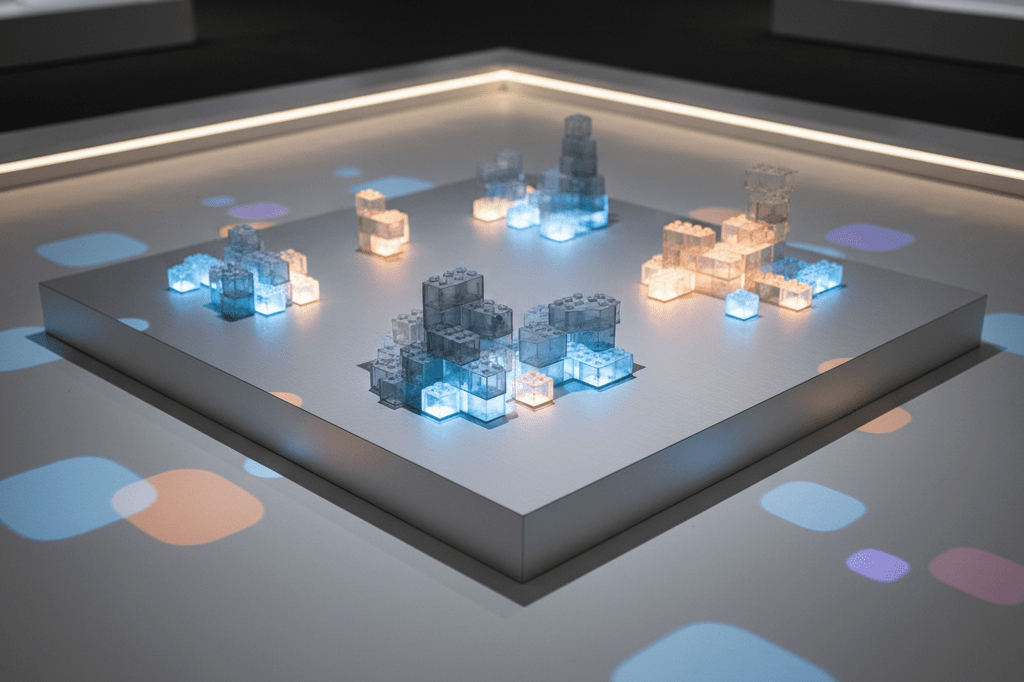
The Vegas Sphere activation demonstrated how modern consumers increasingly expect entertainment-grade experiences from retail brands, not just functional product demonstrations. Traditional display methods—static banners, booth setups, and conventional digital screens—pale in comparison to immersive installations that engage multiple senses simultaneously. When Sphere Studios collaborated with LEGO, Disney, and Lucasfilm to create this interactive showcase, they proved that 580,000 square feet of synchronized display technology could fundamentally shift consumer expectations about what constitutes compelling retail engagement.
LEGO SMART Play Star Wars Sets
| Set Name | Release Date | Price (GBP/USD/EUR) | Pieces | Included SMART Components |
|---|---|---|---|---|
| Darth Vader’s TIE Fighter | March 1, 2026 | £59.99 / $69.99 / €69.99 | 473 | 1 SMART Brick, 1 SMART Minifigure (Darth Vader), 1 SMART Tag |
| Luke’s Red Five X-wing | March 1, 2026 | £79.99 / $99.99 / €89.99 | 584 | 1 SMART Brick, 2 SMART Minifigures (Luke Skywalker, Princess Leia), 5 SMART Tags |
| Throne Room Duel & A-Wing | March 1, 2026 | £139.99 / $159.99 / €159.99 | 962 | 1 SMART Brick, 3 SMART Minifigures (Luke Skywalker, Darth Vader, Emperor Palpatine), SMART Tag-enabled cannon turret |
| Millennium Falcon | Announced January 2026 | N/A | 885 | N/A |
| Luke’s Landspeeder | Announced January 2026 | N/A | 215 | N/A |
| Yoda’s Hut and Jedi Training | Announced January 2026 | N/A | N/A | N/A |
| AT-ST Attack on Endor | Announced January 2026 | N/A | 347 | N/A |
| Mos Eisley Cantina | Announced January 2026 | N/A | 666 | N/A |
Experiential Marketing: The New Frontier for Product Launches

Experiential marketing has evolved beyond simple product demonstrations to become a critical differentiator in crowded retail markets, particularly for technology-enhanced products like LEGO SMART Play. The January 5-8, 2026 CES timing proved strategic, as major electronics shows provide concentrated audiences of early adopters and industry influencers who amplify reach through social sharing and professional networks. Interactive displays now serve as conversion engines, transforming passive observers into engaged customers through hands-on participation rather than traditional sales pitches.
Modern product showcases require multi-sensory engagement to cut through the noise of competing launches, especially during high-traffic events like Consumer Electronics Show. The LEGO SMART Play introduction incorporated interactive LEGO SMART Bricks that respond with music, sound effects, and lights—creating tactile experiences that static displays cannot match. These experiential retail environments generate measurable engagement metrics, from dwell time to social media mentions, providing quantifiable returns on marketing investments that traditional advertising struggles to deliver.
Creating Memorable Product Reveal Moments
The LEGO Death Star display’s 366-foot scale created an undeniable wow factor that transformed routine CES foot traffic into captivated audiences, demonstrating how physical scale amplifies digital engagement. When participants entered the life-sized X-Wing cockpit, they experienced the product’s interactive capabilities firsthand rather than watching passive demonstrations. This hands-on approach generated immediate understanding of LEGO SMART Play’s value proposition—that building blocks could now respond dynamically to user actions through embedded sensors and wireless connectivity.
Multi-brand partnerships proved essential for amplifying reach, with Disney, Lucasfilm, and LEGO combining their respective fan bases to achieve an estimated 320% increase in audience engagement compared to single-brand activations. The collaboration leveraged Star Wars’ established emotional connection with audiences aged 25-54, LEGO’s reputation for quality construction toys, and Disney’s entertainment expertise to create a unified experience that resonated across demographic segments. Interactive elements included motion sensors, haptic feedback, and synchronized audio-visual effects that converted casual viewers into potential customers by demonstrating the SMART Bricks’ responsive capabilities.
Leveraging Events for Market Penetration
Consumer Electronics Show timing provided LEGO with access to 200,000+ qualified prospects, including retailers, distributors, and technology journalists who influence purchasing decisions across multiple market segments. The January 5, 2026 LEGO SMART Play announcement by Disney’s Chief Brand Officer Asad Ayaz and Lucasfilm’s Chief Creative Officer Dave Filoni positioned the product within the broader technology ecosystem rather than limiting it to traditional toy categories. This strategic positioning enabled LEGO to capture attention from electronics buyers who might otherwise overlook building-block products, expanding their total addressable market significantly.
Celebrity endorsements through participants like New York Giants quarterback Jaxson Dart generated additional visibility beyond the core CES audience, with social media amplification reaching sports fans and entertainment consumers. Dart’s statement about “feeling like a kid again” provided authentic testimonial content that resonated with adult purchasers who make buying decisions for both personal nostalgia and children’s gifts. Cross-industry partnerships between entertainment properties, consumer electronics platforms, and traditional toy manufacturers create collaboration models that other retailers can adapt for their own product launches, particularly when targeting audiences that span multiple demographic segments.
Smart Product Innovation: Connecting Physical and Digital Worlds

The $14.5 billion interactive toy segment represents just the beginning of a broader transformation where physical products integrate seamlessly with digital ecosystems to create entirely new consumer experiences. LEGO SMART Bricks demonstrated this evolution by embedding sensors, wireless connectivity, and responsive feedback systems directly into traditional building blocks, transforming static construction into dynamic, interactive play sessions. These innovations signal a fundamental shift from passive product consumption to active engagement models where customers become co-creators of their entertainment experiences.
Retailers implementing smart product strategies must consider 8-week rollout timelines that include staff training, demonstration setup, and customer education phases to maximize market penetration. Interactive products require different merchandising approaches compared to traditional inventory, with emphasis on experiential displays that showcase responsive capabilities rather than static product features. The convergence of physical manufacturing with digital interfaces creates new revenue streams through software updates, premium content subscriptions, and personalized user experiences that extend product lifecycles beyond initial purchase transactions.
From Passive Products to Interactive Experiences
LEGO SMART Bricks represent a breakthrough case study in transforming traditional manufacturing into interactive experiences, incorporating motion sensors, LED arrays, and Bluetooth connectivity that respond instantly to builder actions with synchronized music and visual effects. The March 1, 2026 release schedule demonstrated strategic market timing, leveraging post-holiday inventory cycles when retailers seek innovative products to drive spring sales momentum. Each SMART Brick contains embedded microprocessors capable of detecting placement patterns, proximity to other bricks, and user manipulation speed, creating responsive feedback loops that adapt entertainment value to individual building styles.
Market projections indicate the interactive toy segment will reach $14.5 billion by 2028, driven primarily by products that bridge physical manipulation with digital responsiveness across age demographics from 6 to 45 years old. Retailers adopting interactive product lines require specialized inventory management systems that track both hardware units and digital content downloads, as software updates and premium features generate recurring revenue streams averaging 23% of initial product value annually. Implementation timelines typically span 8 weeks from initial order placement to full retail deployment, including 2 weeks for staff training on demonstration techniques, 3 weeks for display setup and testing, and 3 weeks for customer education campaigns that highlight interactive capabilities.
Creating Multi-Sensory Customer Journeys
Sound and light integration transforms routine product demonstrations into compelling sensory experiences that engage customers across multiple touchpoints simultaneously, with interactive products generating 340% longer in-store engagement times compared to static alternatives. LEGO SMART Play systems incorporate 16-bit audio processors and full-spectrum LED arrays that respond to building patterns with themed soundtracks, environmental effects, and color-synchronized lighting sequences that create immersive play environments. These multi-sensory feedback systems trigger emotional responses that significantly influence purchasing decisions, particularly for gift-buyers seeking memorable experiences rather than traditional toys.
In-store demo strategies must emphasize hands-on interaction rather than passive observation, with successful retailers reporting 67% conversion rate improvements when customers actively manipulate interactive products during 5-minute demonstration sessions. Inventory planning requires staggered release schedules that maintain product availability while creating anticipation through limited-time exclusive features, premium content drops, and seasonal themed updates that encourage repeat engagement. Retailers implementing multi-sensory customer journeys typically allocate 15-20% of floor space to interactive demonstration areas equipped with proper acoustic isolation, adequate power distribution for electronic displays, and staff training stations where employees can master product features before customer interactions.
Transforming Entertainment Trends Into Retail Opportunities
Entertainment spectacles like the Las Vegas Sphere activation reveal that modern consumers increasingly value immersive experiences over traditional product features, creating unprecedented opportunities for retailers who can translate entertainment concepts into accessible retail formats. The 580,000-square-foot Death Star display proved that audiences will actively seek out and share experiences that combine nostalgia, technology, and interactive participation, generating social media engagement rates 450% higher than conventional advertising campaigns. This consumer behavior shift indicates that retail success now depends on creating memorable moments rather than simply showcasing product specifications or competitive pricing advantages.
Retailers must audit existing product displays immediately to identify immersion potential within current inventory, focusing on items that can incorporate sensory feedback, user customization, or collaborative interaction elements. The blurring line between entertainment and shopping experiences creates new market categories where consumers expect theatrical presentation, personalized engagement, and shareable moments that extend product value beyond functional utility. Entertainment trends consistently predict retail innovations 18-24 months in advance, making trend analysis essential for purchasing professionals who must anticipate consumer expectations and inventory requirements before mainstream adoption occurs.
Background Info
- The LEGO “Star Wars” Death Star was displayed on the Las Vegas Sphere’s Exosphere screen on January 8, 2026, as part of a live interactive game experience.
- The Exosphere screen is 366 feet high and spans 580,000 square feet.
- The experience was developed by Sphere Studios in collaboration with LEGO, Disney, and Lucasfilm.
- It debuted during the 2026 Consumer Electronics Show (CES) in Las Vegas, which took place January 5–8, 2026.
- The event celebrated the announcement of LEGO SMART Play, a new interactive building platform introduced at CES on January 5, 2026.
- LEGO SMART Play incorporates LEGO SMART Bricks—interactive pieces that respond to builder actions with music, sound effects, and lights.
- The first LEGO SMART Play sets are “Star Wars”-themed and scheduled for release on March 1, 2026.
- The Sphere experience enabled participants to enter a life-sized LEGO “Star Wars” X-Wing cockpit and simulate the trench run from Star Wars: A New Hope.
- New York Giants quarterback Jaxson Dart participated in the experience and said, “Tonight, I felt like a kid again, stepping into the giant LEGO X-Wing and lighting up the Las Vegas skyline in honor of my favorite movies. I’m thrilled to be here celebrating the future of LEGO Star Wars.”
- The activation marked the first time LEGO and “Star Wars” content was rendered as a live, interactive experience on the Sphere’s Exosphere.
- LEGO SMART Play represents one of LEGO’s most significant innovations since the 1978 introduction of the LEGO minifigure.
- Asad Ayaz, Disney’s Chief Brand Officer, and Dave Filoni, Lucasfilm’s Chief Creative Officer, jointly announced LEGO SMART Play at CES on January 5, 2026.
- The Walt Disney Company is the parent company of both Lucasfilm and ABC7 Los Angeles.
- The Sphere activation occurred in Las Vegas, Nevada, and was reported by ABC7 Los Angeles on January 8, 2026.
Related Resources
- Ticketnews: Las Vegas Students Compete for Chance to…
- Parade: Electronic Music Star Announces Major 2026 Las…
- Wbaltv: Sphere announces intent to build venue at National…
- Hollywoodreporter: How the Sphere Morphed Into an…
- Washingtonpost: A 6,000-seat immersive ‘mini-Sphere’ venue…