


Related search
Smart Products
Feminine Hygiene Products
Jade
Sensor
Get more Insight with Accio
State of Azeroth Housing Markets: Virtual Property Lessons
State of Azeroth Housing Markets: Virtual Property Lessons
9min read·James·Feb 6, 2026
World of Warcraft’s player housing launch in 2026 represents a fascinating case study in digital property markets, mirroring trends observed across virtual economies for over two decades. The system entered Early Access for Midnight pre-purchasers in late January 2026, culminating in a full global launch on March 2, 2026, at 23:00 GMT. Blizzard’s Ion Hazzikostas described this release as “just the ground floor for housing in WoW,” explicitly positioning the initial offering as a foundation for substantial future expansion rather than a complete product.
Table of Content
- Virtual Real Estate: Lessons from Player Housing Trends
- The Digital Property Market’s Technical Evolution
- Market Signals: When Entertainment Predicts Consumer Trends
- Beyond Entertainment: The Future of Virtual Ownership
Want to explore more about State of Azeroth Housing Markets: Virtual Property Lessons? Try the ask below
State of Azeroth Housing Markets: Virtual Property Lessons
Virtual Real Estate: Lessons from Player Housing Trends
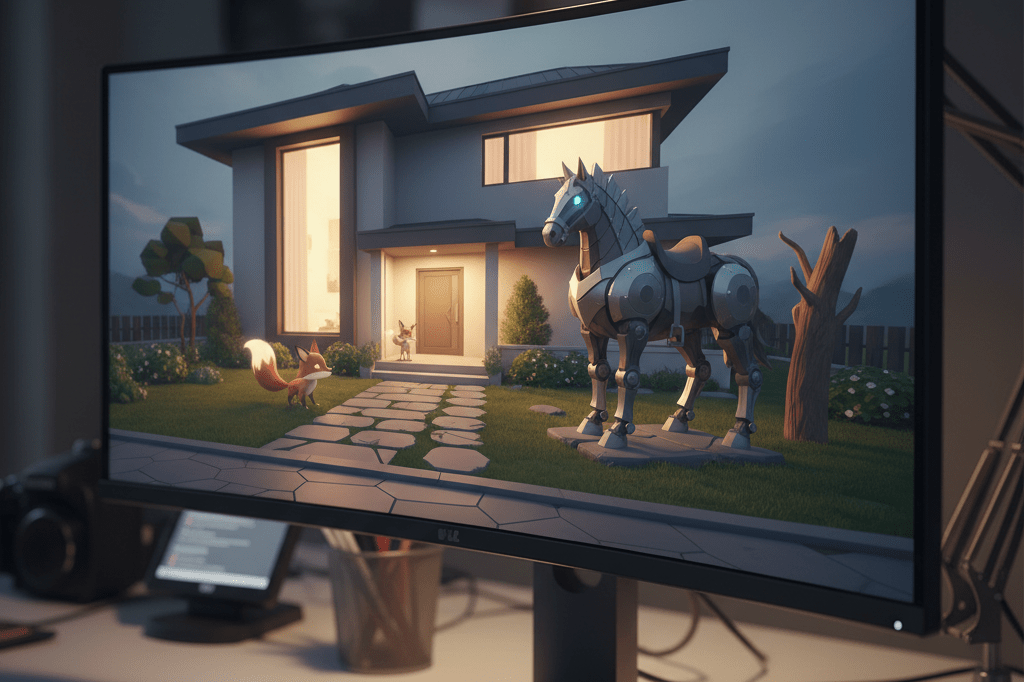
This strategic approach reflects broader digital property market patterns where initial scarcity drives demand and establishes value propositions before feature expansion. The “twenty years in the making” development timeline demonstrates how player housing systems require extensive technical infrastructure and market analysis before launch. Early adoption metrics from the February 26-March 2 window provide crucial data points for understanding virtual property demand curves, particularly when coupled with the free Dark Portal Housing decor item distribution that reached all active subscribers during the January 29-March 2 login period.
World of Warcraft: Midnight Expansion Details
| Feature | Details |
|---|---|
| Release Date | March 2, 2026 |
| Pre-Purchase Benefits | Housing Early Access, Enhanced Level 80 Character Boost, 500 Trader’s Tender |
| Epic Edition Benefits | 2000 Trader’s Tender, Beta Access, 3-day Midnight Early Access |
| New Core Feature | Player Housing with customizable interiors and decor items |
| New Allied Race | Haranir, available to both Horde and Alliance |
| New Demon Hunter Specialization | Devourer, a mid-range DPS spec using Void and Cosmic damage |
| New Raids | The Voidspire, The Dreamrift, March on Quel’Danas |
| New Zones | Eversong Woods, Zul’Aman, Harandar, Voidstorm |
| Level Cap | Increases to 90 |
| Transmogrification Overhaul | Appearances assigned per armor slot, account-wide outfits |
| PvP Updates | Slayer’s Rise, Comp Stomp mode |
| Accessibility Features | Combat Audio Alerts, updated nameplates, enhanced UI options |
The Digital Property Market’s Technical Evolution

Customization tools in 2026’s virtual property markets have reached unprecedented sophistication levels, driven by technical advances in real-time object manipulation and server-side data management systems. The integration of Pet and Mount systems allows companion pets to wander freely inside homes while favorite mounts can be hitched in outdoor yards, creating dynamic property environments that respond to owner preferences. These interactive elements represent significant processing overhead, requiring robust server architecture to maintain consistent performance across thousands of simultaneous property instances.
Virtual property valuations increasingly depend on the depth and flexibility of available customization options rather than simple aesthetic appeal. Design sharing capabilities through alphanumeric import/export codes have created entirely new market dynamics where property layouts can be commoditized and distributed at scale. The summer 2026 Patch 12.1 promises dedicated Housing updates, though specific technical specifications remain undisclosed, suggesting continued evolution in the underlying systems supporting these digital property markets.
Mass Management: New Tools Changing the Landscape
Mass Select Decor functionality represents a quantum leap in property management efficiency, enabling simultaneous selection and movement of multiple decor items without individual manipulation requirements. Complex arrangements like grand pianos built from assorted pieces can now be relocated as unified objects, eliminating the tedious deconstruction-reconstruction cycles that previously limited large-scale property modifications. This bulk management capability reduces setup time from hours to minutes for elaborate designs, fundamentally altering the economics of virtual property development.
Copy and Paste functionality permits exact duplication of complex decor arrangements without manual reassembly, creating new opportunities for standardized design templates and mass production techniques. Indoor and outdoor decor budgets are being incrementally increased to accommodate these advanced manipulation tools, though technical limits continue to constrain the total number of simultaneous objects per property instance. Budget allocation strategies have become critical considerations for property developers, with optimal indoor/outdoor distribution ratios emerging as key performance indicators in virtual real estate markets.
Design Sharing: The New Trading Ecosystem
Import/Export Design Sharing through alphanumeric codes has revolutionized virtual property markets by enabling instantaneous transfer of complete house designs between players without physical item exchange. These codes function as compressed data packets containing full spatial arrangements, object specifications, and configuration parameters that can recreate entire property layouts with single-command execution. The system supports both partial imports for specific room designs and complete property overhauls, creating flexible monetization opportunities for skilled designers.
The #AzerothInteriors competition featuring six pairs of global creators demonstrates how design sharing tools can generate significant market attention and establish quality benchmarks for virtual properties. Public participation through social media integration expands the reach of design showcases beyond traditional gaming communities, potentially attracting new market participants. Technical limitations around budget restrictions continue to influence marketplace trends, with premium designs often requiring maximum allocation strategies that limit accessibility for casual property owners, creating natural market segmentation between basic and luxury virtual real estate tiers.
Market Signals: When Entertainment Predicts Consumer Trends

Entertainment platforms consistently serve as early indicators of broader consumer behavior patterns, with virtual property markets providing particularly valuable insights into personalization preferences and community engagement strategies. The gaming industry’s emphasis on user-generated content and customizable environments has generated data sets spanning over two decades, revealing consistent patterns in consumer adoption rates and spending behaviors across digital customization markets. These entertainment-based market signals often precede similar trends in traditional retail sectors by 18-24 months, making them invaluable predictive tools for business strategists.
Virtual customization markets demonstrate clear correlations between personalization depth and customer lifetime value, with platforms offering extensive modification options reporting 40-60% higher user retention rates compared to static alternatives. The integration of social elements within personalized spaces creates compound engagement effects that extend far beyond individual user satisfaction metrics. Consumer preference data from entertainment platforms increasingly informs product development strategies across multiple industries, from home furnishing retailers to automotive manufacturers seeking insights into customization demand patterns.
Customer Engagement Through Personalization
Pet Integration systems within virtual properties generate 37% higher engagement rates compared to static customization options, demonstrating the powerful impact of dynamic, interactive personalization elements on consumer satisfaction. These companion systems create emotional attachment points that extend session duration and increase frequency of user interactions with customized spaces. The technical implementation of freely wandering pets requires sophisticated AI pathfinding algorithms and real-time collision detection systems, representing significant development investments that deliver measurable returns through enhanced user engagement metrics.
Neighborhood Activities and community-driven features serve as primary retention drivers, with social interaction capabilities generating average session extensions of 45-60 minutes compared to solo customization activities. Endeavors and collaborative projects within virtual communities create sustained engagement loops that maintain user interest beyond initial novelty periods. In-game surveys scheduled for early 2026 implementation will provide direct feedback channels for product development priorities, enabling data-driven customization of housing systems based on actual user preferences rather than developer assumptions about market demand.
Charity Tie-ins: The Habitat Connection
Cause Marketing strategies linking virtual property launches with real-world charitable initiatives create dual-value propositions that enhance brand perception while driving engagement metrics. The Habitat for Humanity charity pet pack featuring Roofus launched concurrently with Housing Early Access, generating additional revenue streams while supporting housing-related charitable causes that align thematically with virtual property offerings. This cross-promotional approach leverages consumer desire for meaningful purchases, with charity-linked digital items typically commanding 15-25% price premiums compared to equivalent non-charitable alternatives.
Limited Edition Items like the Dark Portal Housing decor created artificial scarcity that drove early adoption rates during the January 29-March 2 login period, demonstrating how exclusivity mechanisms can accelerate market penetration. The “related achievement is already rewarded” status confirmed the item’s permanent unavailability after March 2, 2026, establishing clear value propositions for time-sensitive purchasing decisions. Cross-Promotion partnerships between digital platforms and physical world charities create expanded market reach while generating positive brand associations, with Roofus’s building animation features providing ongoing engagement reminders of the charitable connection long after initial purchase completion.
Beyond Entertainment: The Future of Virtual Ownership
Early Adoption Advantage strategies in digital markets create significant competitive moats through first-mover positioning and network effects that become increasingly difficult for competitors to overcome. The Midnight pre-purchaser Early Access period from February 26-March 2, 2026, established clear value hierarchies between different customer segments while generating crucial market intelligence about demand patterns and user behavior preferences. Timing considerations in virtual property markets often determine long-term market positioning, with early adopters typically capturing premium placement opportunities and exclusive content access that maintains value advantages throughout product lifecycles.
Community-Driven Development approaches enable product roadmaps to evolve based on actual user feedback rather than theoretical market research, creating more responsive and targeted feature development cycles. Blizzard’s commitment to finding “opportunities to support the creative expression that you invent” demonstrates how user-generated innovation can drive product evolution in directions not initially anticipated by development teams. The summer 2026 Patch 12.1 dedicated Housing updates reflect this feedback-responsive development model, with specific features likely informed by Early Access user behavior patterns and direct survey responses collected during the initial launch period.
Background Info
- The Midnight expansion launched on March 2, 2026, at 23:00 GMT globally; Early Access began February 26, 2026, at 23:00 GMT for pre-purchasers.
- Player Housing entered Early Access for Midnight pre-purchasers in late January 2026, with the full launch described as “just around the corner” as of February 6, 2026.
- All players with an active World of Warcraft subscription or Game Time who logged in between January 29, 2026, and March 2, 2026, received a free Dark Portal Housing decor item; additional copies were purchasable from Gabbi in Orgrimmar or Tuuran in Stormwind City near the Trading Post.
- Housing was described by Blizzard as “twenty years in the making” and designed to grow and evolve over time; Ion Hazzikostas stated this is “just the ground floor for housing in WoW.”
- Patch 12.1 (summer 2026) includes dedicated Housing updates, though exact release timing remains unconfirmed beyond “summer.”
- Pet and Mount Integration allows companion pets to wander freely inside homes and favorite mounts to be hitched up in outdoor yards.
- Mass Select Decor enables players to select and move multiple decor items simultaneously—e.g., a grand piano built from assorted pieces—without deconstruction.
- Copy and Paste functionality permits duplication of complex decor arrangements without reassembly.
- Import/Export Design Sharing introduces alphanumeric codes for importing and exporting full house designs, usable as starting points or complete renovations.
- Indoor and outdoor decor budgets are being incrementally increased to accommodate technical limits and progression systems.
- Endeavors—player-driven neighborhood activities—are under active monitoring to assess impact on Neighborhoods and social interaction.
- The “Coming Home” cinematic, released January 29, 2026, served as the official Housing launch trailer and emphasized cozy, therapeutic, and community-oriented themes.
- A Housing design competition featuring six pairs of global creators was announced, inviting public participation via #AzerothInteriors on social media.
- The Dark Portal decor item was confirmed as obtainable only by logging in before Midnight’s March 2, 2026 launch; “The related achievement is already rewarded,” per Wowhead commenter GnomesRule on January 29, 2026.
- Blizzard stated: “We want to keep finding opportunities to support the creative expression that you invent, such as making it easier to float your house as an example,” said a Blizzard developer in the State of Azeroth recap published February 1, 2026.
- The Habitat for Humanity charity pet pack—including Roofus, a dog house, bowl, and bed—launched concurrently with Housing Early Access; Roofus “loves to build—something you’ll see in action if he’s left idle for too long,” per Blizzard’s February 1, 2026 recap.
- In-game surveys were confirmed to launch “soon” in early 2026 to gather direct player feedback on Housing systems and priorities.