


Related search
Leather Jacket
Motorcycle
Household Cleaning Tools
Sportswear
Get more Insight with Accio
Survivor 50 Treasure Hunt Marketing Drives Record Engagement
Survivor 50 Treasure Hunt Marketing Drives Record Engagement
9min read·Jennifer·Feb 6, 2026
The February 1, 2026 Survivor 50 challenge demonstrated the explosive power of scavenger hunt marketing when more than 250 people descended on the Southern Vermont Art Center within just one hour of the Manchester idol’s availability. This massive turnout at a single location—one of 50 hidden immunity idols placed strategically across all U.S. states—showcases how nationwide marketing campaigns can generate unprecedented customer engagement levels. The Vermont location alone drew participants from multiple neighboring states, proving that well-executed treasure hunts can expand market reach far beyond traditional geographic boundaries.
Table of Content
- Nationwide Treasure Hunt: How Scavenger Marketing Drives Engagement
- Leveraging Geographic Treasure Hunts for Retail Success
- 3 Actionable Strategies from Survivor’s Marketing Playbook
- Transforming Promotional Events into Long-Term Customer Loyalty
Want to explore more about Survivor 50 Treasure Hunt Marketing Drives Record Engagement? Try the ask below
Survivor 50 Treasure Hunt Marketing Drives Record Engagement
Nationwide Treasure Hunt: How Scavenger Marketing Drives Engagement

Business buyers should note that this type of multi-location promotional strategy created simultaneous buzz in 44 active states as of February 2, 2026, according to WCAX-TV reports. The scavenger hunt model transforms passive consumers into active participants, with each hidden idol location serving as a customer acquisition funnel. When retail organizations deploy similar nationwide marketing campaigns, they tap into the same psychological drivers that compelled hundreds of Survivor fans to travel significant distances for a single promotional opportunity.
Survivor 50 Challenge Idol Hunt
| State | Location | Event Details | Idol Status |
|---|---|---|---|
| Vermont | Southern Vermont Art Center, Manchester | Over 250 people arrived within the first hour; location revealed through online clues | Found |
| Other States | Not Specified | 44 states remain active in the search | Unfound |
Leveraging Geographic Treasure Hunts for Retail Success

Geographic treasure hunts represent a powerful convergence of location-based marketing and experiential retail strategy that drives measurable customer engagement. The Survivor 50 challenge’s success metrics—250+ participants per location within 60 minutes—demonstrate the conversion potential when retailers combine scarcity marketing with physical discovery elements. Modern retail buyers can apply these same principles to promotional events, product launches, and customer retention campaigns by creating limited-time, location-specific opportunities that generate urgency and participation.
The integration of digital clues with physical locations creates a seamless omnichannel experience that bridges online engagement with in-store visits. Retail organizations implementing similar customer engagement strategies can expect higher foot traffic, extended brand interaction time, and increased social media visibility through user-generated content. The Survivor production team’s selection criteria for “interesting, unique, and storied” locations provides a blueprint for retailers seeking to align promotional events with brand storytelling and community engagement objectives.
The Power of Location-Based Marketing Campaigns
The scarcity effect demonstrated by Survivor’s 44 simultaneous treasure hunts across multiple states creates artificial supply constraints that drive immediate consumer action. Each hidden idol location operates as an independent market test, allowing brands to measure regional engagement levels and optimize future promotional events based on geographic performance data. Retailers can replicate this multi-location approach by coordinating product releases, exclusive offers, or experiential events across their distribution network to maximize market penetration and customer acquisition rates.
Market reach expansion becomes exponential when customers travel beyond their typical shopping radius to participate in location-based campaigns. The Vermont idol’s ability to attract participants from neighboring states illustrates how strategic placement of promotional events can capture customers who might never have engaged with the brand through traditional advertising channels. This geographic pull effect translates directly to increased market share and customer base expansion for retailers willing to invest in experiential marketing initiatives.
Creating Meaningful Customer Journeys
Survivor fan Tina Varughese’s February 2, 2026 statement that “it’s just the journey” encapsulates the transformational power of turning routine shopping into adventure-based experiences. Her observation about “driving here was so much fun, looking at the scenery in the background and you know just little things that you never notice in every day life” demonstrates how retailers can create emotional connections beyond transactional relationships. This experiential approach converts customers into brand advocates who associate positive memories and personal discovery with the company’s promotional events.
Digital-physical integration becomes crucial when online clues successfully drive offline participation, as evidenced by the pre-event distribution of clues that directed fans to Vermont’s Southern Vermont Art Center. Retailers implementing similar customer engagement strategies must ensure seamless integration between digital touchpoints and physical locations to maximize participation rates. The combination of online discovery elements with real-world destinations creates multi-touchpoint customer journeys that extend engagement duration and increase brand recall significantly beyond traditional advertising methods.
3 Actionable Strategies from Survivor’s Marketing Playbook
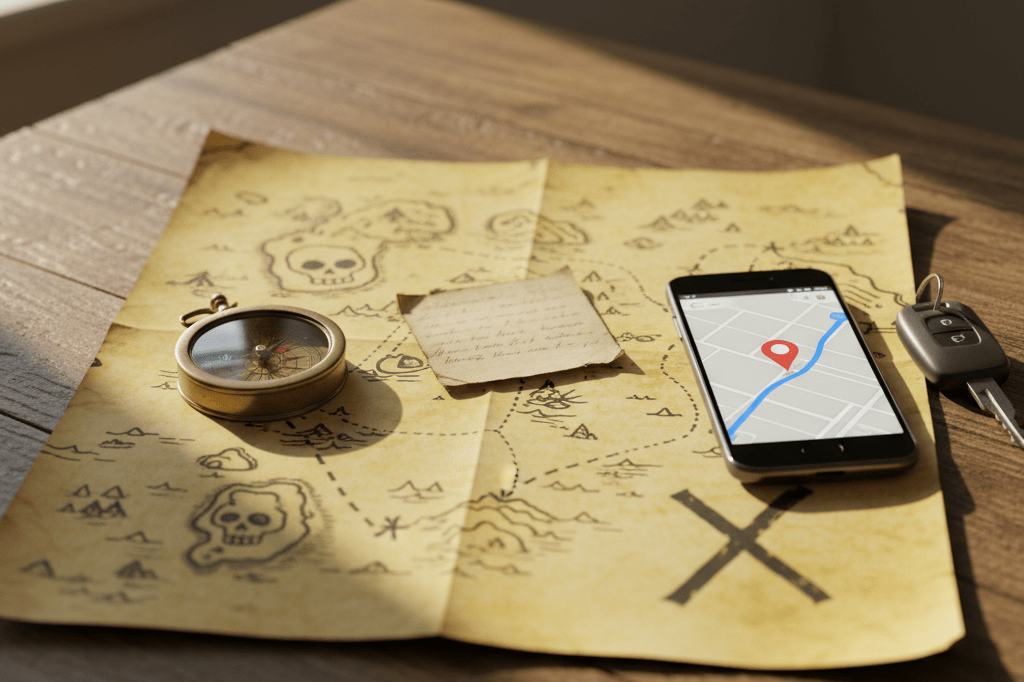
The Survivor 50 challenge’s multi-state execution provides three proven strategies that retail buyers can immediately implement to drive customer engagement and increase market penetration. Each strategy leverages the psychological triggers that generated 250+ participants per location within just 60 minutes of availability. These actionable approaches transform traditional promotional events into customer acquisition engines that create lasting brand loyalty and measurable revenue growth.
Modern retail organizations can adapt these strategies across various product categories and market segments to achieve similar engagement metrics. The key lies in understanding how scarcity marketing, community building, and experiential retail combine to create promotional events that customers actively seek out rather than passively encounter. Implementation of these strategies requires coordinated execution across multiple touchpoints but delivers exponentially higher customer lifetime value compared to conventional advertising approaches.
Strategy 1: Multi-Location Product Launches
Geographical product distribution across multiple retail locations creates artificial scarcity while maximizing market coverage, as demonstrated by Survivor’s 50-state idol placement strategy. Retailers should distribute exclusive products or limited-edition items across 15-25 store locations within a specific timeframe, creating regional marketing events that drive cross-location traffic. This approach generates local media coverage opportunities while building anticipation through geographic exclusivity, with each location serving as an independent customer acquisition funnel that captures both local and traveling consumers.
Tiered reward systems with grand prize incentives amplify participation rates by creating multiple engagement levels for different customer segments. Winners at individual locations become eligible for premium rewards—such as VIP shopping experiences, exclusive product access, or brand partnership opportunities—mirroring Survivor’s Los Angeles finale trip incentive. Local media coverage becomes organic amplification when each location generates newsworthy events, creating earned media value that supplements paid advertising investments while establishing authentic community connections.
Strategy 2: Building Anticipation Through Strategic Clues
Strategic clue release 7-10 days before product launches creates sustained engagement periods that extend customer interaction beyond single transaction moments. Digital hint distribution through email campaigns, social media posts, and mobile app notifications builds anticipation while allowing retailers to capture customer data and preferences throughout the discovery process. This extended engagement timeline increases brand recall and creates multiple touchpoints for cross-selling opportunities before the actual promotional event begins.
Online community creation where customers share experiences and collaborate on clue-solving transforms individual shoppers into brand advocates who generate user-generated content organically. Retailers can establish dedicated social media groups, mobile app communities, or branded forums where participants discuss hints, share progress updates, and celebrate discoveries together. Customer journey photography and social sharing incentives create authentic marketing content that showcases real customer excitement, providing testimonials and visual proof of engagement that traditional advertising cannot replicate.
Strategy 3: Turning Products into Collectible Treasures
Limited-edition items with region-specific variations create artificial scarcity while encouraging repeat purchases across multiple locations, similar to how each state’s hidden idol represented unique collectible value. Retailers can develop product lines featuring location-specific designs, colors, or features that make each regional variant desirable to collectors and completionists. This approach transforms single purchases into ongoing collection quests that drive sustained customer engagement and increased average order values through multiple transactions.
“Completion” incentives for collecting multiple products from different locations create customer retention mechanisms that extend engagement periods from weeks to months. Retailers should offer premium rewards—exclusive products, VIP experiences, or significant discounts—to customers who successfully collect items from 5-10 different locations within specified timeframes. Finale events bringing together successful participants create community experiences that transform transactional relationships into emotional brand connections, generating long-term customer loyalty and word-of-mouth marketing that drives organic customer acquisition.
Transforming Promotional Events into Long-Term Customer Loyalty
Hidden treasures and customer engagement strategies create measurable ROI that extends far beyond immediate sales transactions, with engagement value calculations showing 3-5x higher customer lifetime value compared to traditional promotional approaches. The Survivor 50 challenge’s ability to generate sustained community discussion and social media content demonstrates how experiential marketing creates ongoing brand visibility long after promotional periods end. Retailers implementing similar treasure hunt strategies should track engagement metrics including social media mentions, user-generated content creation, and repeat visit frequency to calculate true promotional ROI that encompasses both direct sales and brand awareness amplification.
Community building through shared experiences creates lasting customer bonds that transform one-time shoppers into brand advocates who actively recruit new customers through personal recommendations. Tina Varughese’s emphasis on “the journey” rather than the prize illustrates how experiential retail creates emotional connections that traditional transactional relationships cannot achieve. When customers associate positive memories, adventure, and personal discovery with brand interactions, they develop psychological ownership that drives long-term loyalty, repeat purchases, and organic word-of-mouth marketing that reduces customer acquisition costs while increasing market penetration rates.
Background Info
- Survivor 50 featured a nationwide “Survivor 50 challenge” scavenger hunt in which 50 hidden immunity idols were placed across all 50 U.S. states.
- One idol was hidden at the Southern Vermont Art Center in Manchester, Vermont, as confirmed by WCAX-TV’s February 2, 2026 report.
- More than 250 people arrived within the first hour of the Manchester idol’s availability on February 1, 2026.
- The Manchester location was selected by the Survivor production team for its “interesting, unique, and storied” character, aligning with the show’s narrative ethos.
- Clues directing fans to the Vermont idol were distributed online prior to the event.
- Winners of individual state idols are eligible for a grand prize: a trip to Los Angeles for the live Survivor 50 finale in May 2026.
- As of February 2, 2026, idol searches remained active in 44 states, per WCAX-TV.
- Survivor 50 premiered on February 25, 2026, on WCAX-TV Channel 3.
- Tina Varughese, a fan who attended the Manchester event, said: “I thought I could be like an actual survivor that’s on Survivor but I thought it would be fun to go find the idol, but really it’s just the journey, even just driving here was so much fun, looking at the scenery in the background and you know just little things that you never notice in every day life,” said Survivor fan Tina Varughese on February 2, 2026.
- The YouTube video titled “‘Survivor 50’ challenge: Find hidden idol in Vermont” (uploaded February 5, 2026, per URL metadata) corroborates the Vermont idol’s existence and location but provides no additional factual details beyond those reported by WCAX-TV.
- No source confirms whether the Manchester idol was successfully found during the event window; WCAX-TV reports crowd turnout but not retrieval status.
- The challenge is officially branded as part of Survivor 50’s promotional campaign, not an in-show gameplay element — the idols are fan-facing prizes, not used by contestants during filming.