


Related search
Crystal Beads
Boomboxes
Car Accessories
Quartz Watches
Get more Insight with Accio
10 Car Gauge Design Trends for 2026: The Ultimate Lookbook for Custom Builds & Aftermarket Retailers
10 Car Gauge Design Trends for 2026: The Ultimate Lookbook for Custom Builds & Aftermarket Retailers
7min read·Oriana·Apr 16, 2026
Car gauges have transformed from simple mechanical dials into the commanding centerpiece of a vehicle’s interior identity. In 2026, the automotive aftermarket is experiencing a renaissance where data-rich displays meet bold aesthetic statements. Whether you’re building a track-focused machine or restoring a classic with modern reliability, today’s gauges for car applications blend cutting-edge technology with striking visual design. From wireless connectivity to bespoke craftsmanship, this comprehensive visual guide explores the ten most influential car gauge trends shaping the industry. These insights serve dual purposes: inspiring your next custom build while providing critical market intelligence for aftermarket retailers and product developers positioning themselves for success in the evolving automotive landscape.
Table of Contents
1. The Cyber-Retro Revival
2. Minimalist ‘Ghost’ Displays
3. Seamless OEM+ Integration
4. Fully Configurable Digital Dashes
5. Wireless Smart-Sync Gauges
6. Motorsport-Grade Data Hubs
7. Aftermarket Heads-Up Displays (HUDs)
8. Bespoke Jeweler-Crafted Gauges
9. Tactile & Haptic Feedback Dials
10. Eco-Conscious & Sustainable Materials
2. Minimalist ‘Ghost’ Displays
3. Seamless OEM+ Integration
4. Fully Configurable Digital Dashes
5. Wireless Smart-Sync Gauges
6. Motorsport-Grade Data Hubs
7. Aftermarket Heads-Up Displays (HUDs)
8. Bespoke Jeweler-Crafted Gauges
9. Tactile & Haptic Feedback Dials
10. Eco-Conscious & Sustainable Materials
Want to explore more about 10 Car Gauge Design Trends for 2026: The Ultimate Lookbook for Custom Builds & Aftermarket Retailers? Try the ask below
10 Car Gauge Design Trends for 2026: The Ultimate Lookbook for Custom Builds & Aftermarket Retailers
1. The Cyber-Retro Revival
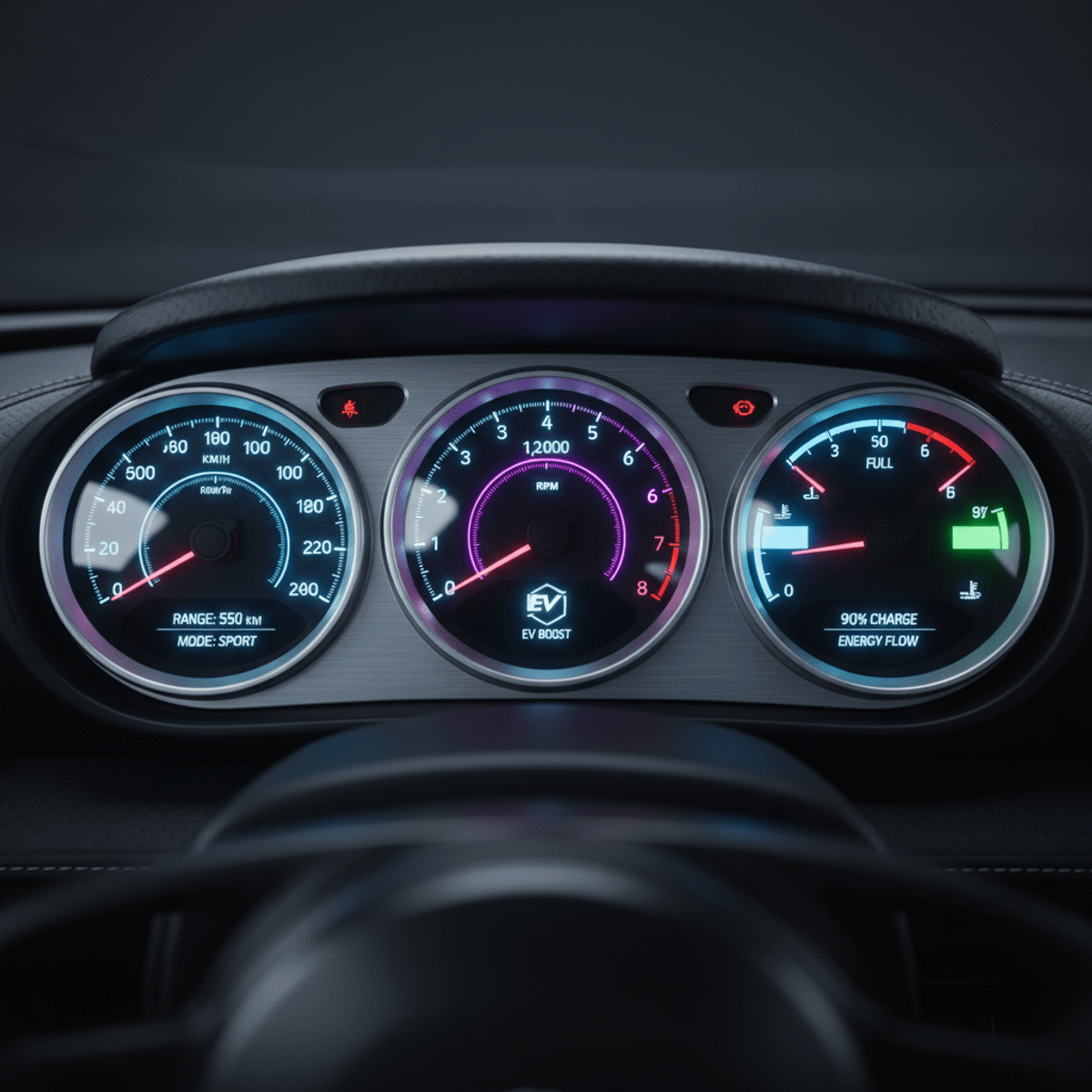
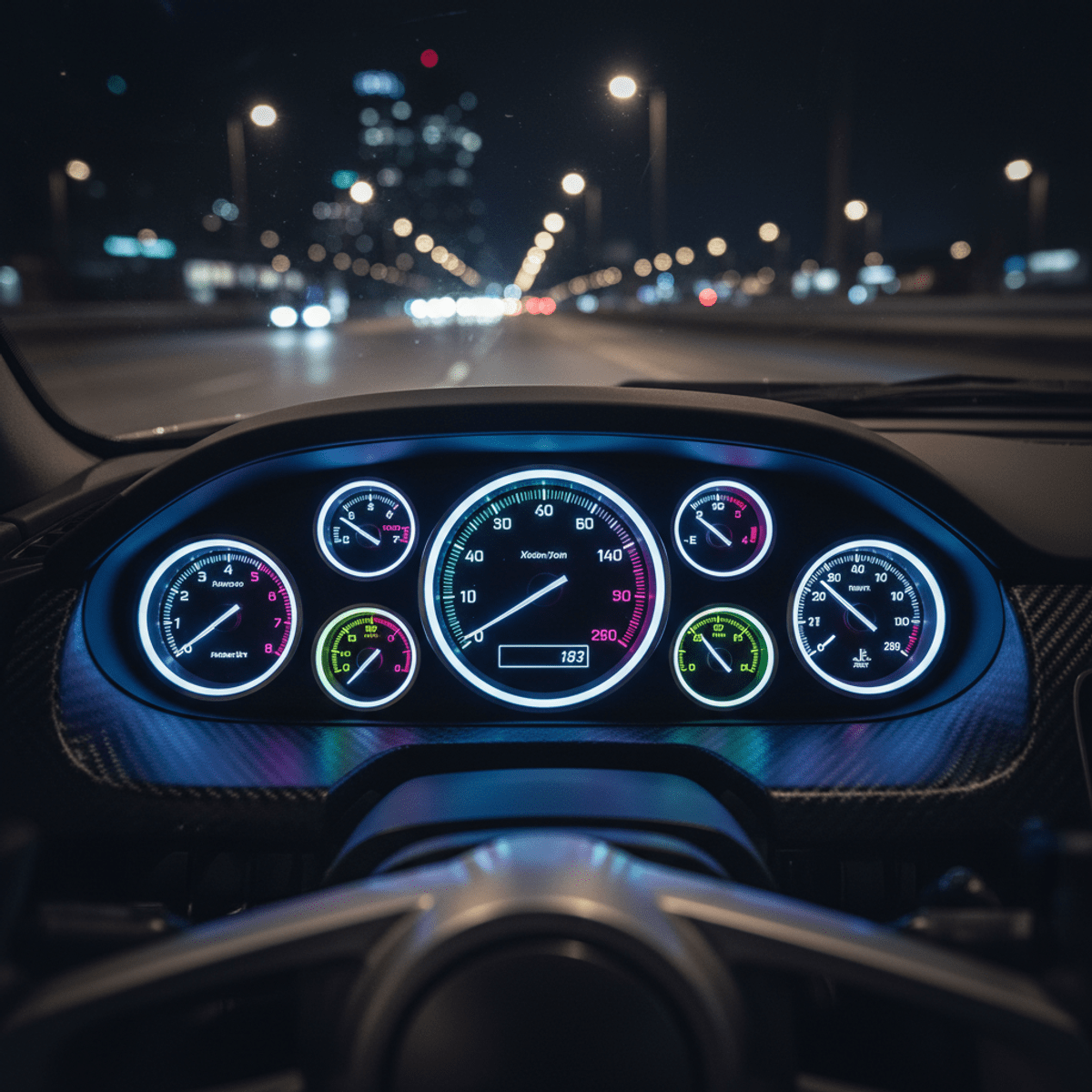
The Cyber-Retro Revival brings the iconic dashboard aesthetics of 1980s supercars into 2026 with a technological twist. These gauges for car enthusiasts feature traditional analog needles paired with retro-futuristic typography, all illuminated by vibrant neon-style LED backlighting in electric blues, purples, and greens. The brushed metal bezels add authentic vintage texture while housing modern sensors and connectivity. This trend perfectly captures the nostalgic appeal of classic automotive design while delivering contemporary functionality. Popular among restomod builders and tuner car owners, these gauges create an unmistakable cockpit identity that photographs beautifully under both daylight and nighttime conditions, making them ideal for show cars and social media builds.
2. Minimalist ‘Ghost’ Displays
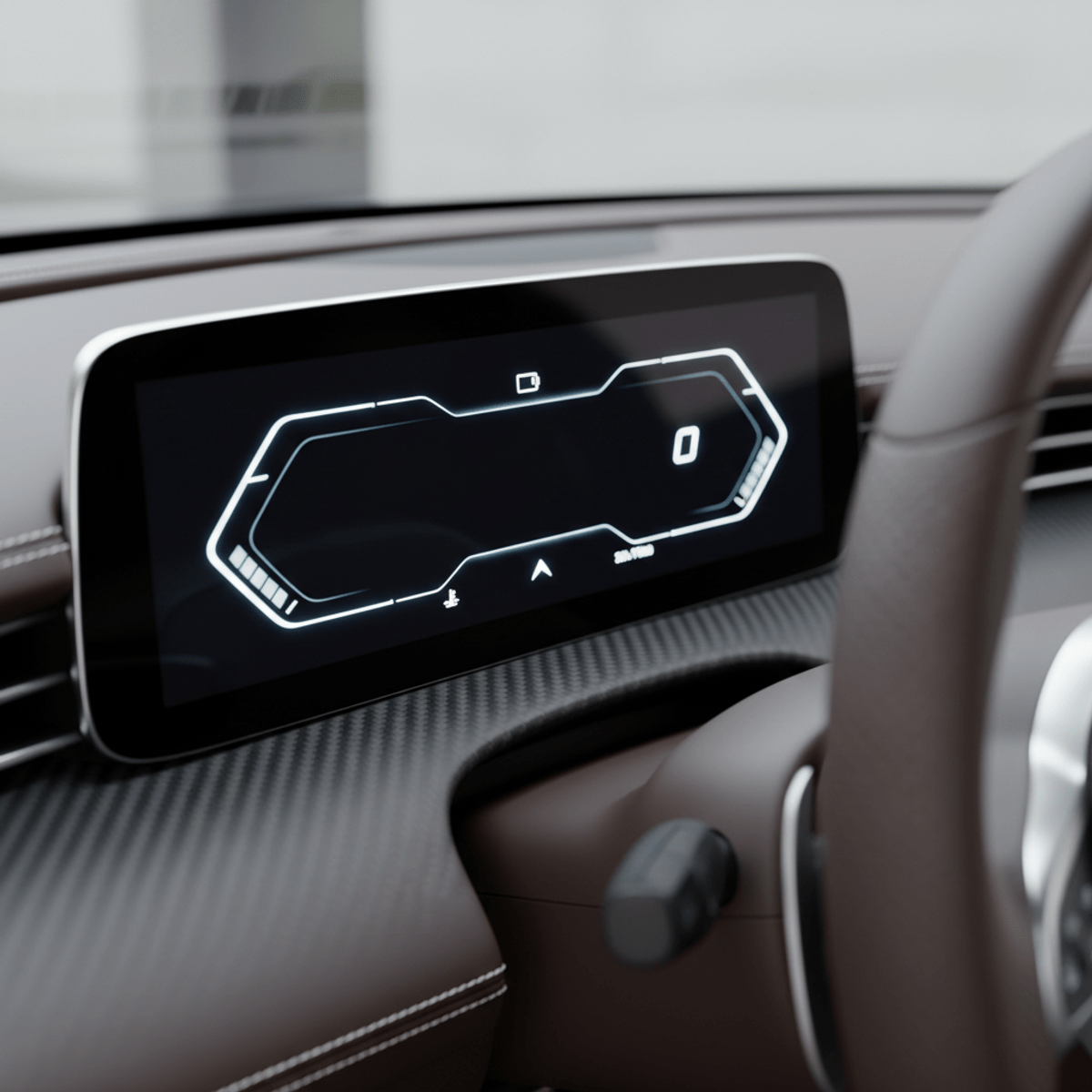
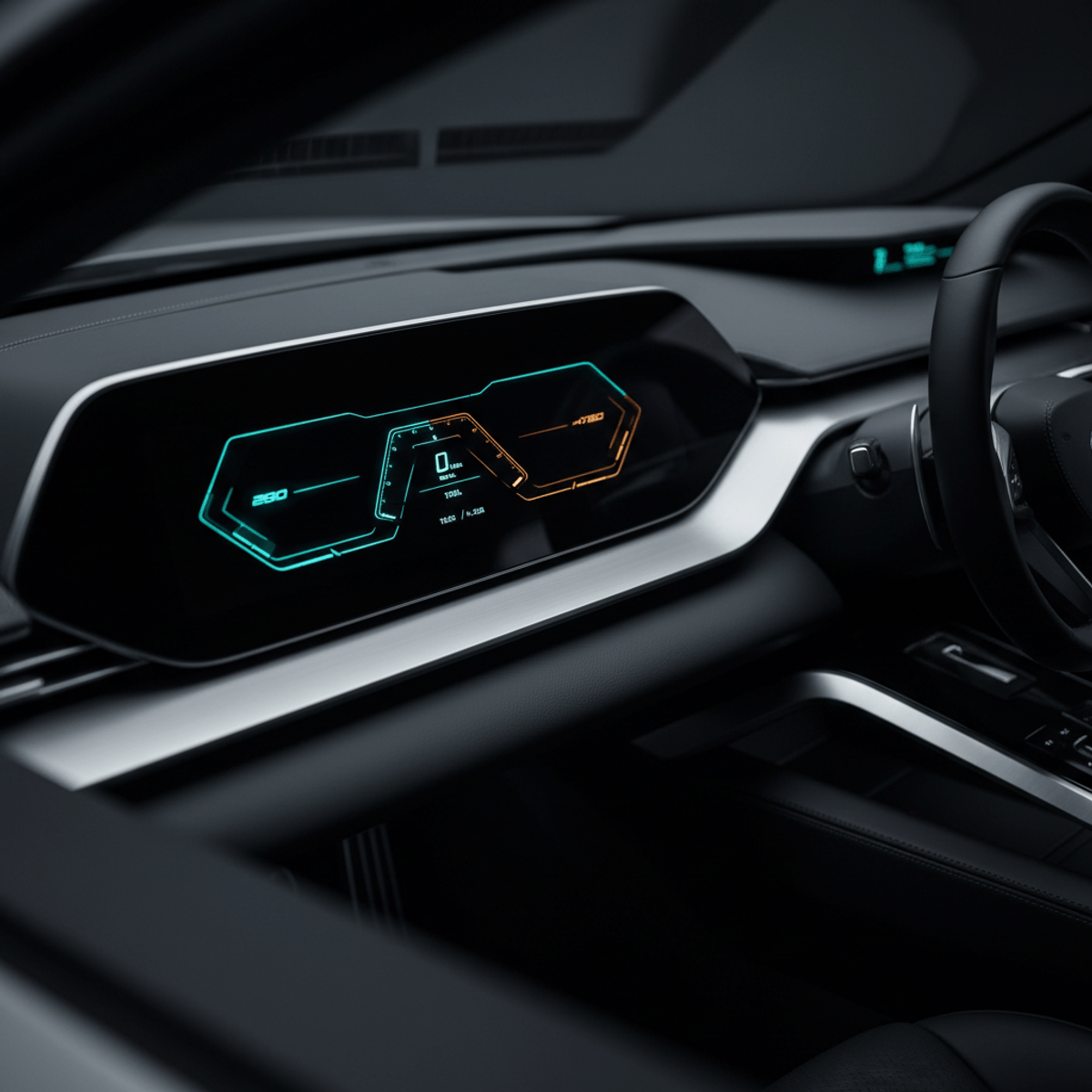
The ‘Ghost’ display represents the pinnacle of understated elegance in modern gauges for car applications. These sophisticated units feature sleek, often glossy black faces that remain completely invisible when the vehicle is powered down, creating an almost supernatural effect when crisp OLED or LED graphics materialize from the darkness upon ignition. The seamless integration of advanced display technology creates a surprising and refined user experience that appeals to luxury car builders and minimalist design enthusiasts. This trend particularly resonates with owners of high-end vehicles who prefer their modifications to enhance rather than dominate the interior aesthetic, offering cutting-edge functionality wrapped in sophisticated restraint.
3. Seamless OEM+ Integration
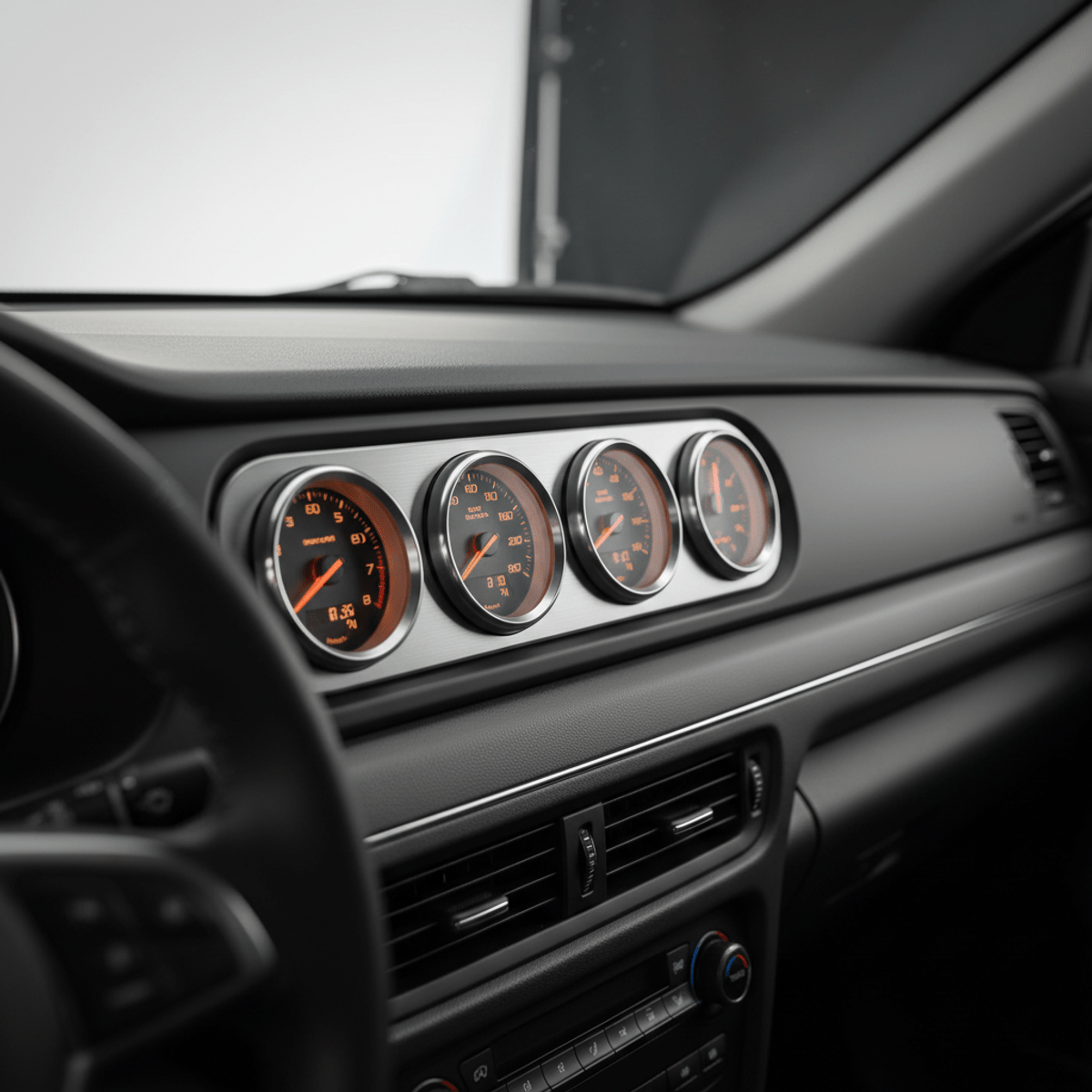
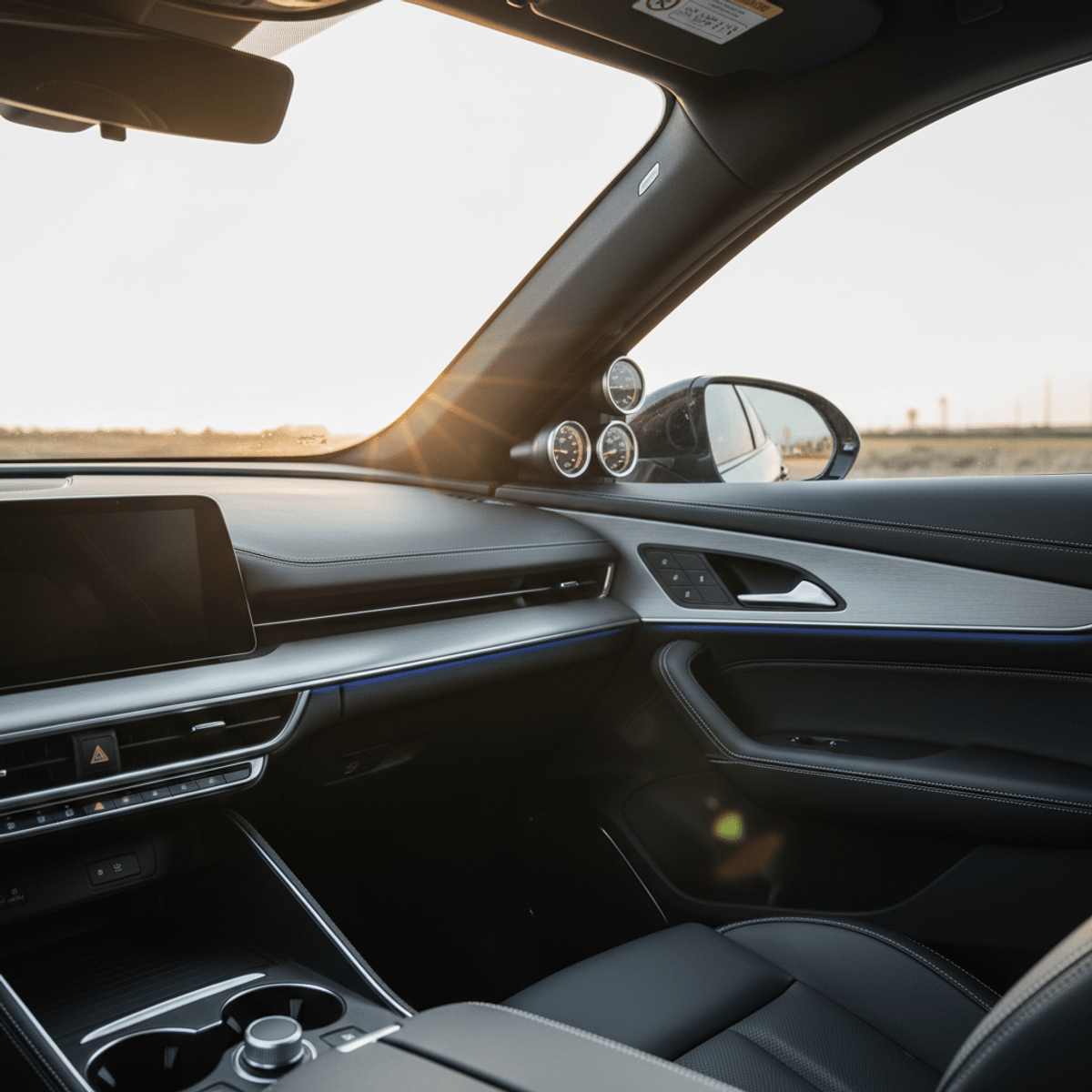
OEM+ integration philosophy drives this trend toward gauges for car modifications that appear factory-installed. These carefully engineered aftermarket gauges match existing interior fonts, lighting colors, and material textures with precision, often fitting perfectly into factory locations like air vents, A-pillars, or dashboard panels. The result is a cohesive upgrade that enhances the vehicle’s capabilities without disrupting its original design language. This approach particularly appeals to enthusiasts who value subtlety and craftsmanship over flashy modifications. Manufacturers achieving this level of integration often study OEM design specifications extensively, creating products that satisfy both purist owners and those seeking modern functionality within classic or contemporary automotive environments.
4. Fully Configurable Digital Dashes
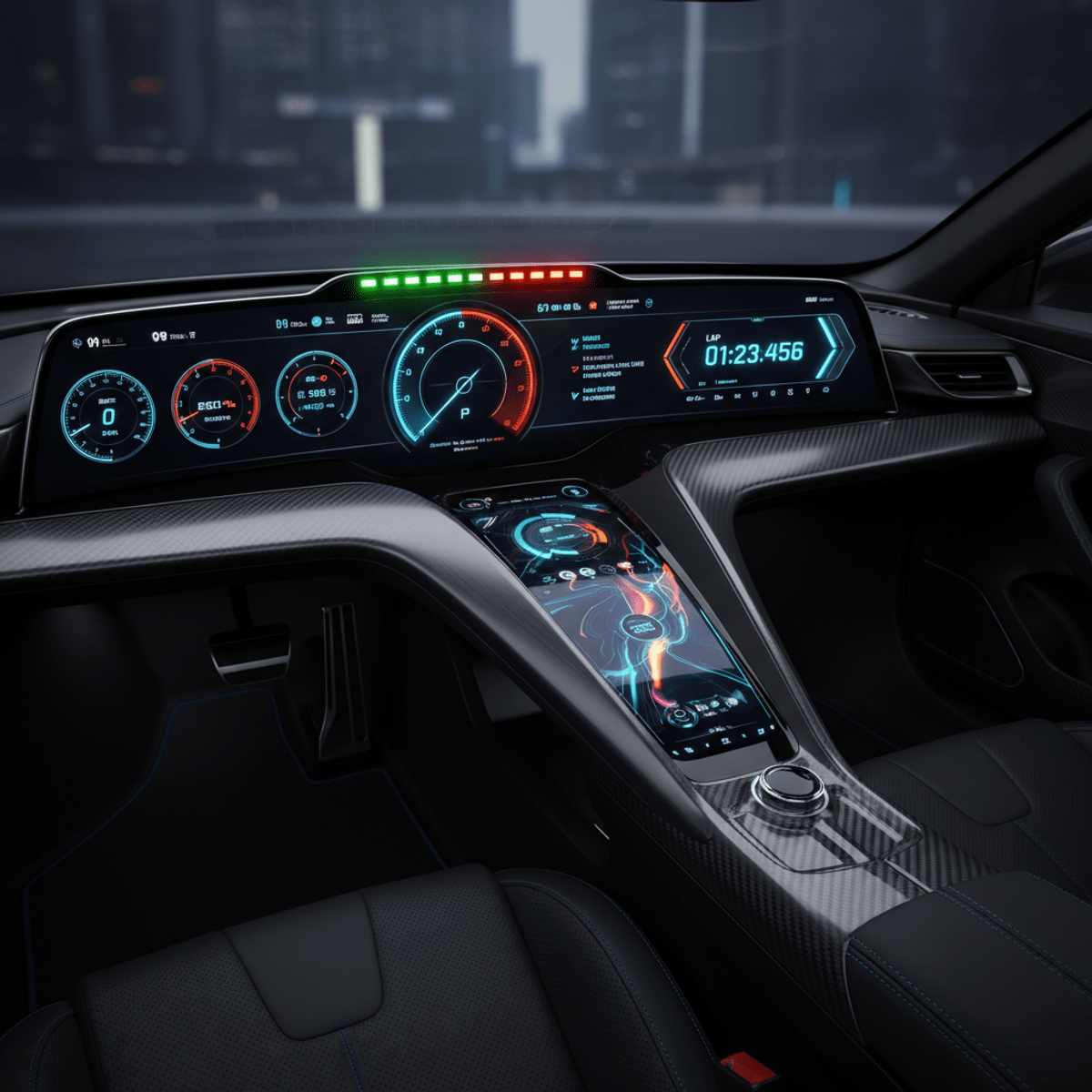
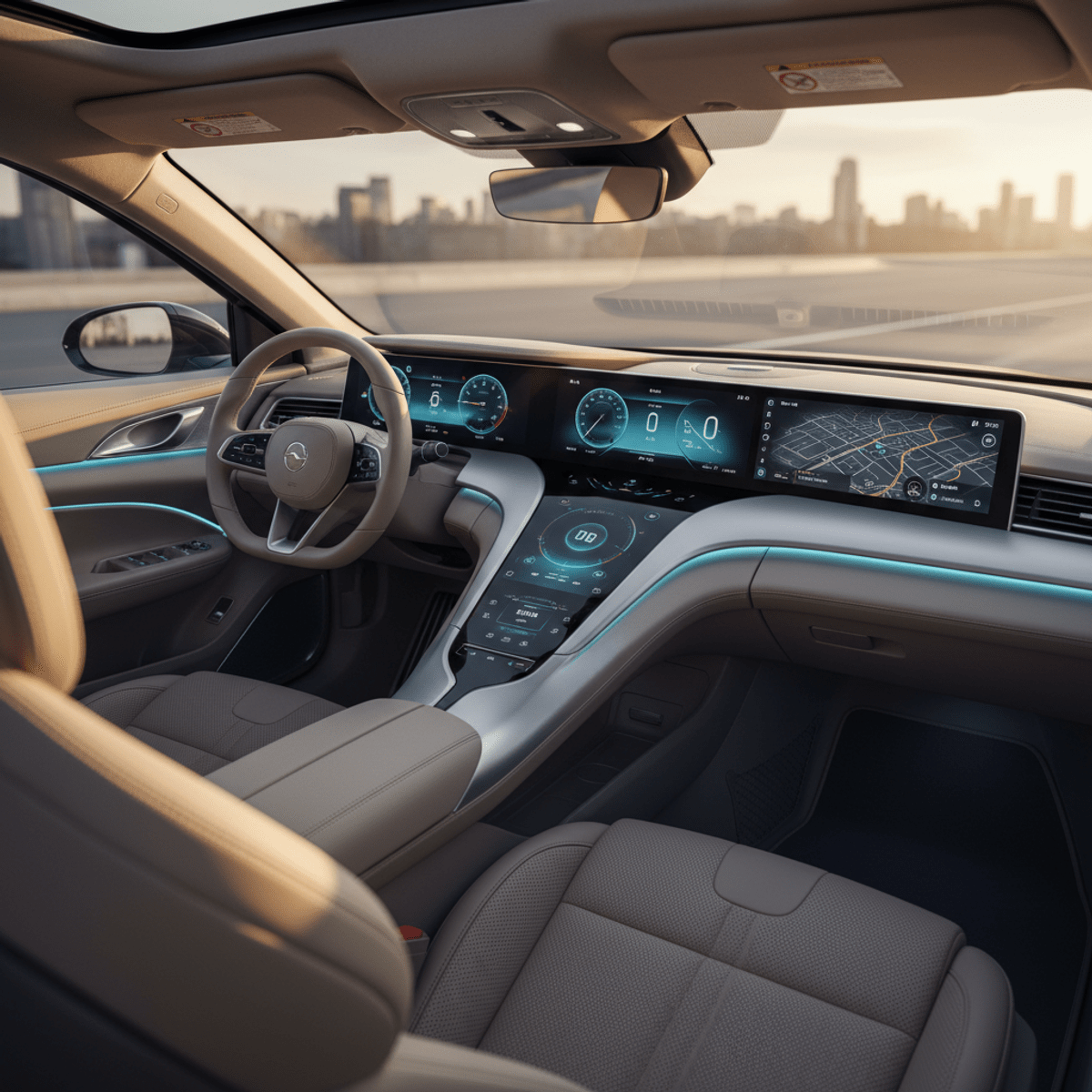
Beyond individual gauges, complete digital dashboard replacements are revolutionizing gauges for car customization in 2026. These high-resolution display systems allow drivers to completely transform their cockpit experience through customizable layouts ranging from track-focused configurations with prominent tachometers to street-oriented designs featuring navigation and media integration. Advanced units support user-created skins and themes, enabling unlimited personalization possibilities. The technology appeals to tech-savvy enthusiasts who appreciate the ability to adapt their dashboard to different driving scenarios instantly. Race mode might emphasize shift lights and lap timers, while touring mode could prioritize fuel economy and comfort settings, all controlled through intuitive touchscreen interfaces or smartphone applications.
5. Wireless Smart-Sync Gauges
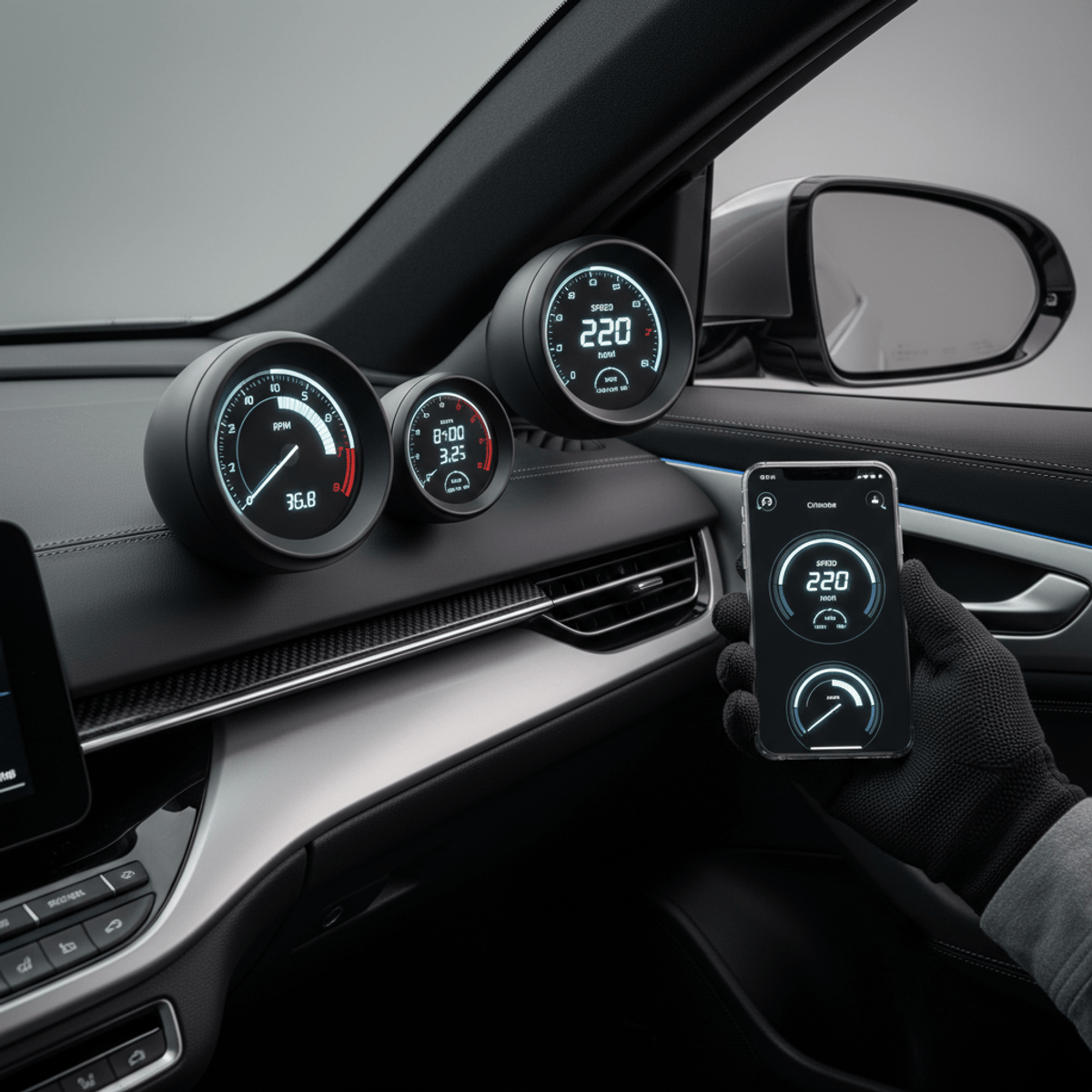
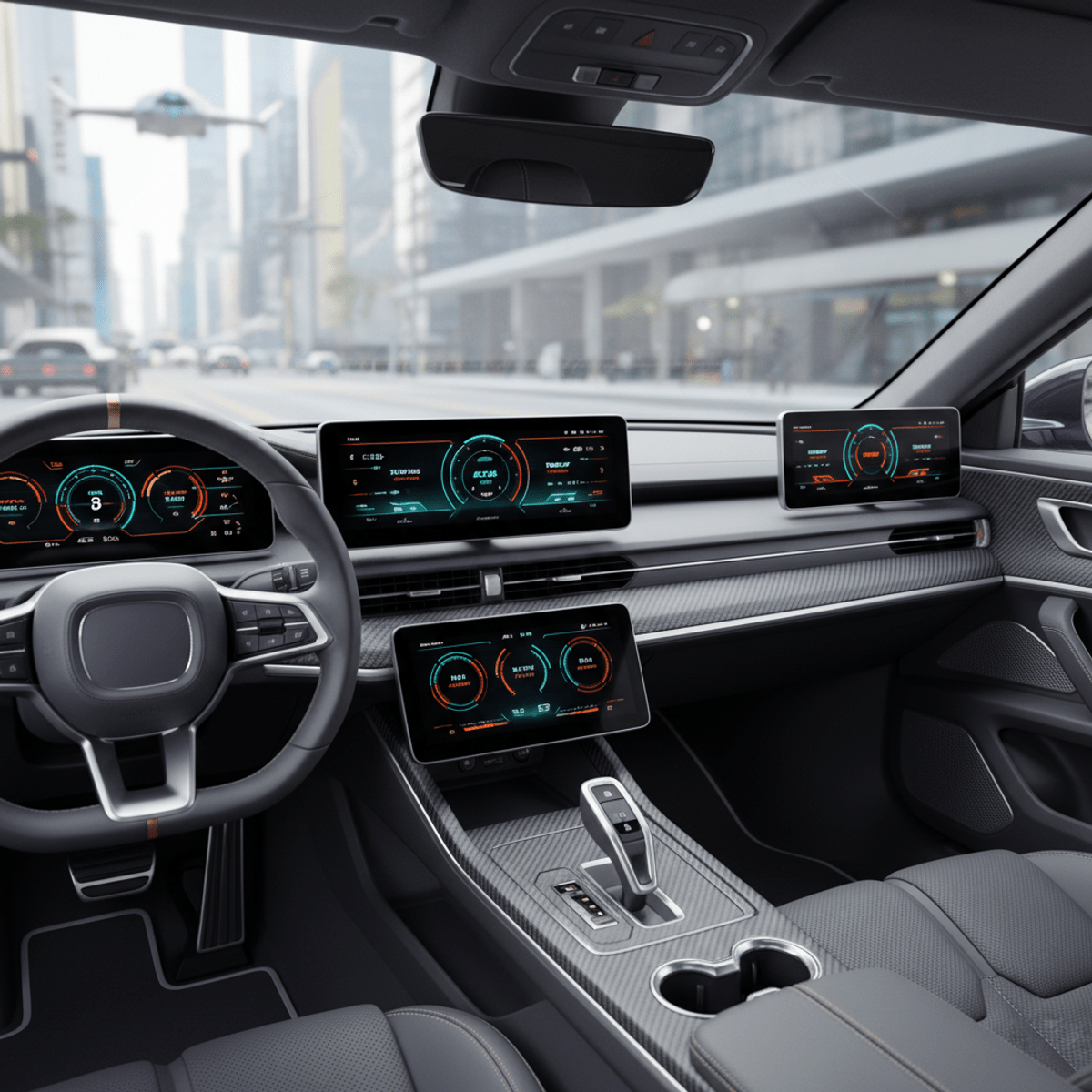
Wireless connectivity is transforming traditional gauges for car installations by eliminating complex wiring requirements. These innovative units communicate directly with the vehicle’s OBD-II port via Bluetooth or WiFi, transmitting real-time engine data to strategically placed display modules throughout the cabin. Smartphone app integration enables advanced features like performance data logging, 0-60 acceleration timing, and customizable warning thresholds that can be adjusted on-demand. Installation becomes significantly simpler without running cables through dashboards or firewalls. The technology particularly benefits DIY enthusiasts and professional installers alike, reducing installation time while expanding functionality. Cloud connectivity features allow data sharing between multiple devices and even social performance tracking among enthusiast communities.
6. Motorsport-Grade Data Hubs
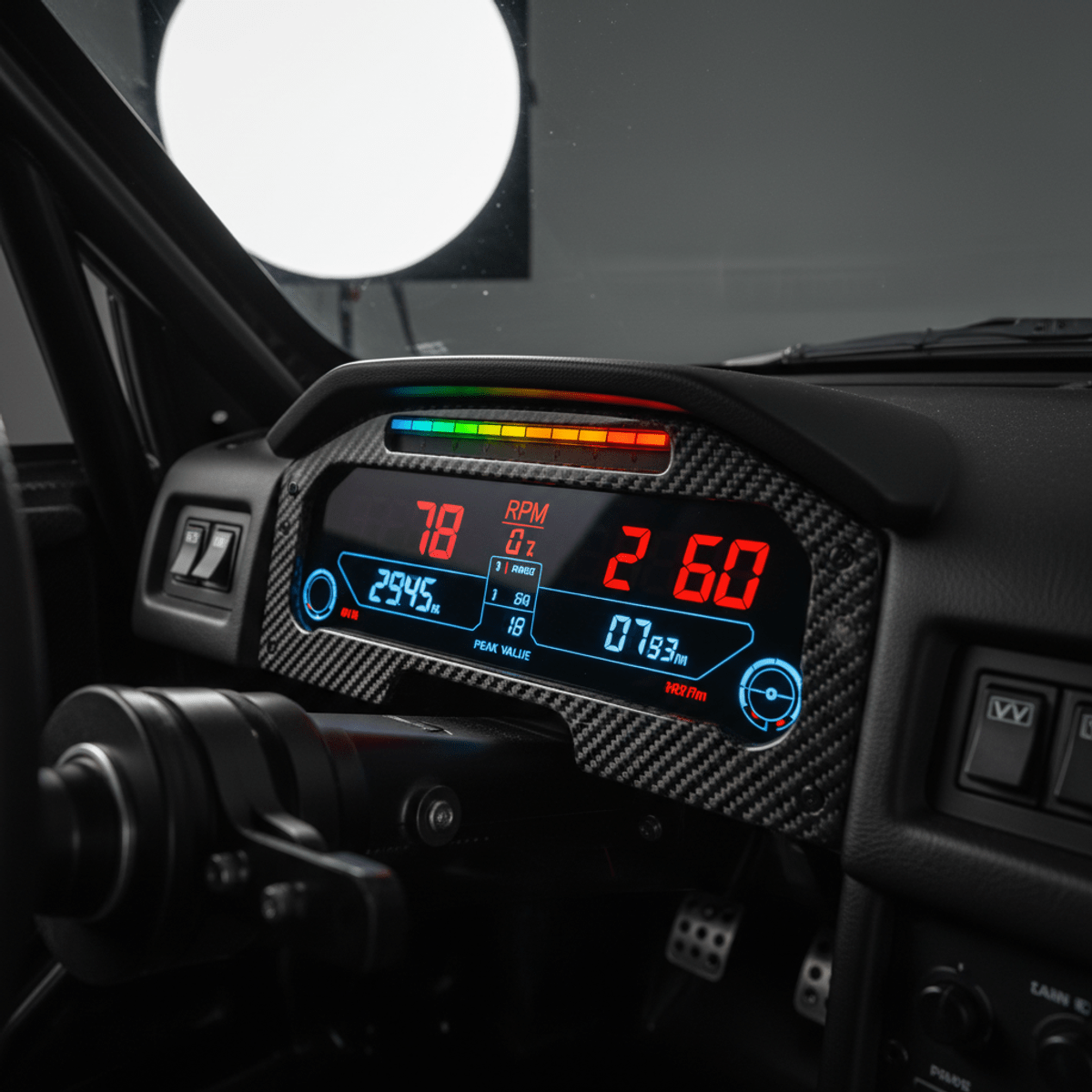
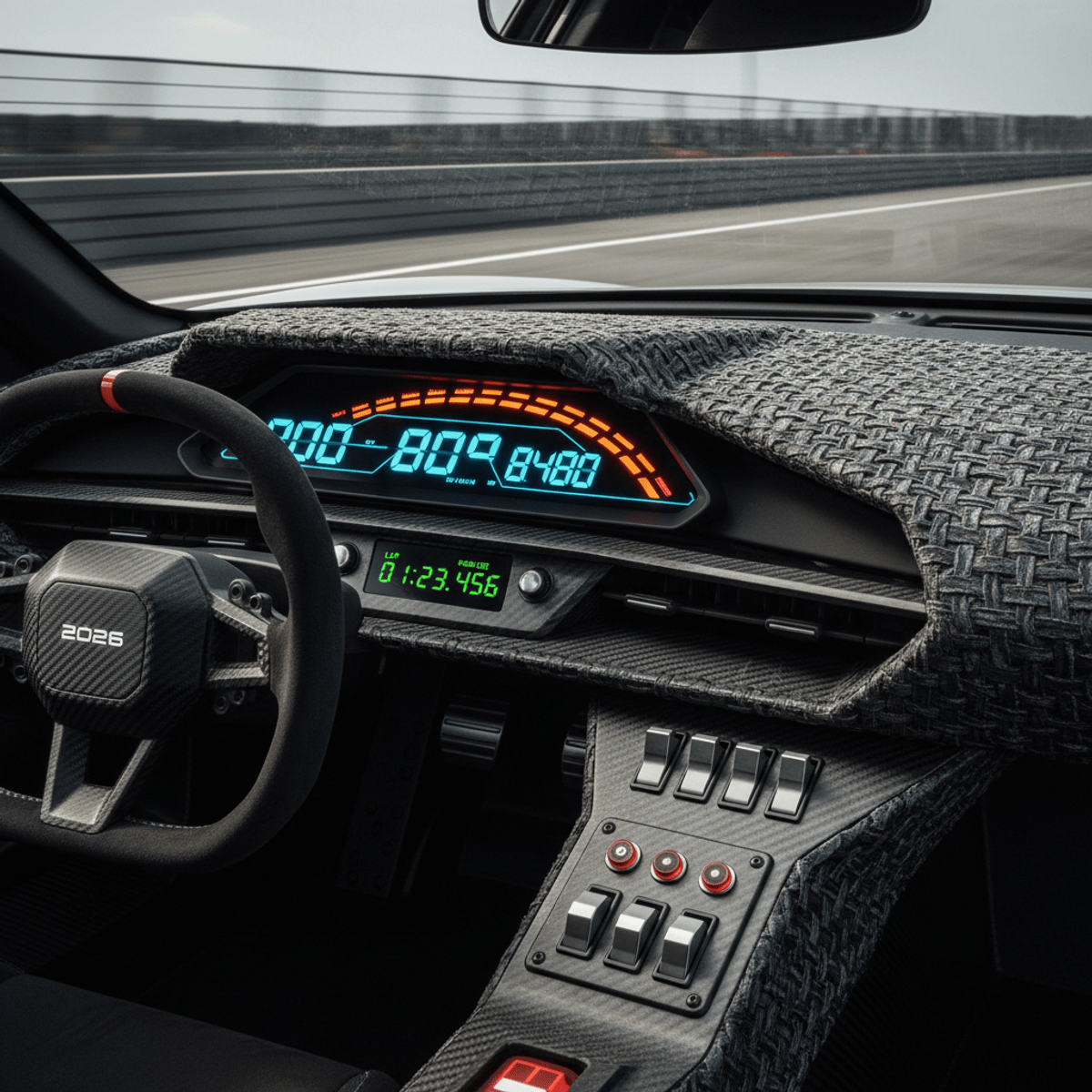
Serious performance driving demands motorsport-grade gauges for car applications that prioritize function over form. These rugged units feature lightweight carbon fiber or 3D-printed composite housings designed to withstand extreme conditions while providing crystal-clear readouts under all lighting conditions. Stark, unambiguous displays show critical data through large numerical readouts, multi-stage shift lights, and peak value memory functions that help drivers analyze performance after track sessions. The aesthetic is purposefully utilitarian, focusing entirely on delivering essential information quickly and accurately. These gauges often incorporate professional racing features like data acquisition capabilities, lap timing functions, and integration with vehicle dynamics systems, making them essential tools for competitive drivers and track day enthusiasts.
7. Aftermarket Heads-Up Displays (HUDs)
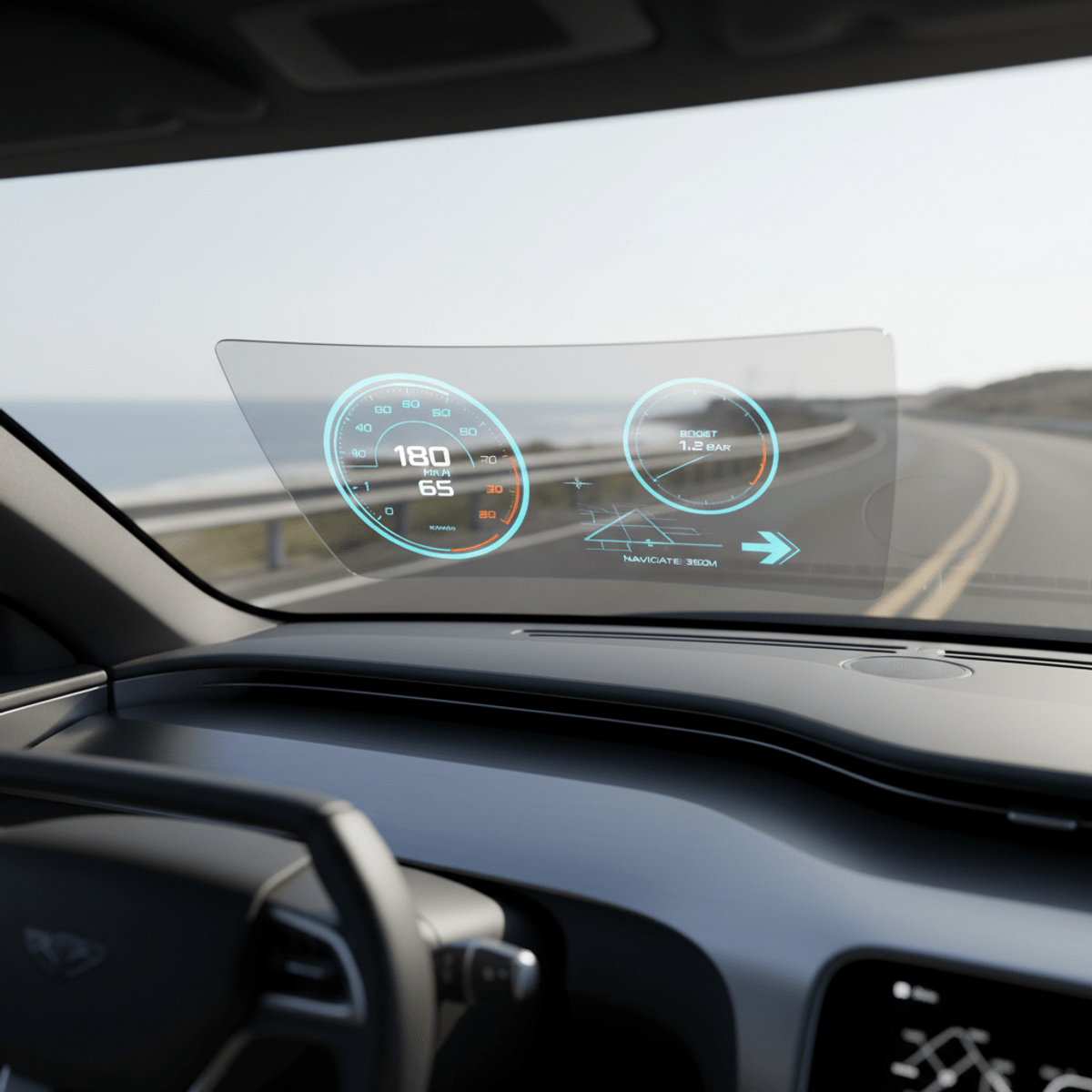
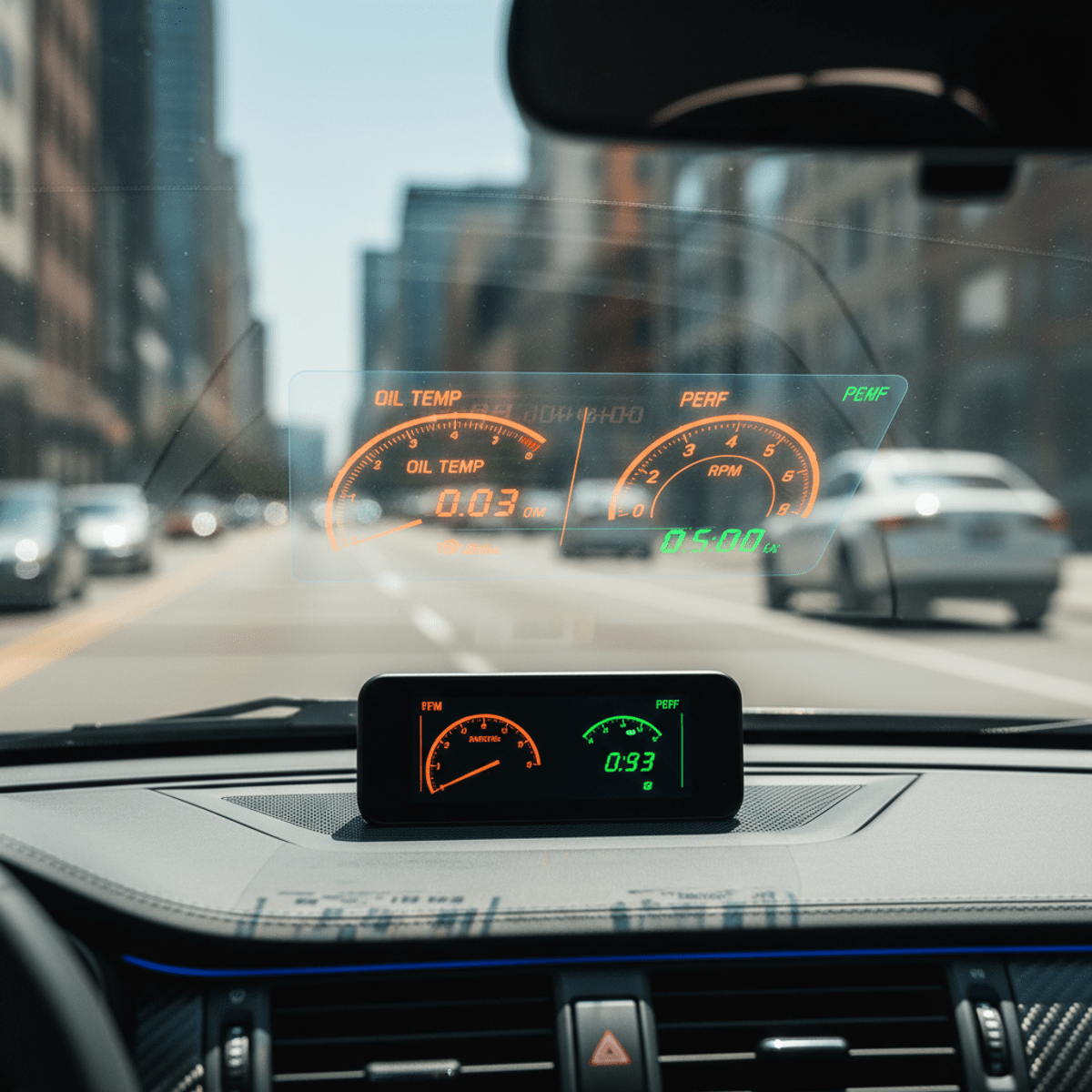
Aftermarket HUD technology is democratizing fighter-jet-style information display for gauges for car enthusiasts previously limited to luxury vehicles. These compact units project critical vehicle data including speed, RPM, navigation directions, and performance metrics directly onto the windshield within the driver’s natural sight line. Modern 2026 versions offer significantly improved brightness levels for daylight visibility, compact installation profiles that don’t obstruct interior space, and extensive data integration capabilities. The safety benefits are substantial, allowing drivers to monitor essential information without looking away from the road ahead. Advanced units can display boost pressure, oil temperature, and other performance metrics, making them popular additions to both daily drivers and weekend track cars seeking enhanced situational awareness.
8. Bespoke Jeweler-Crafted Gauges
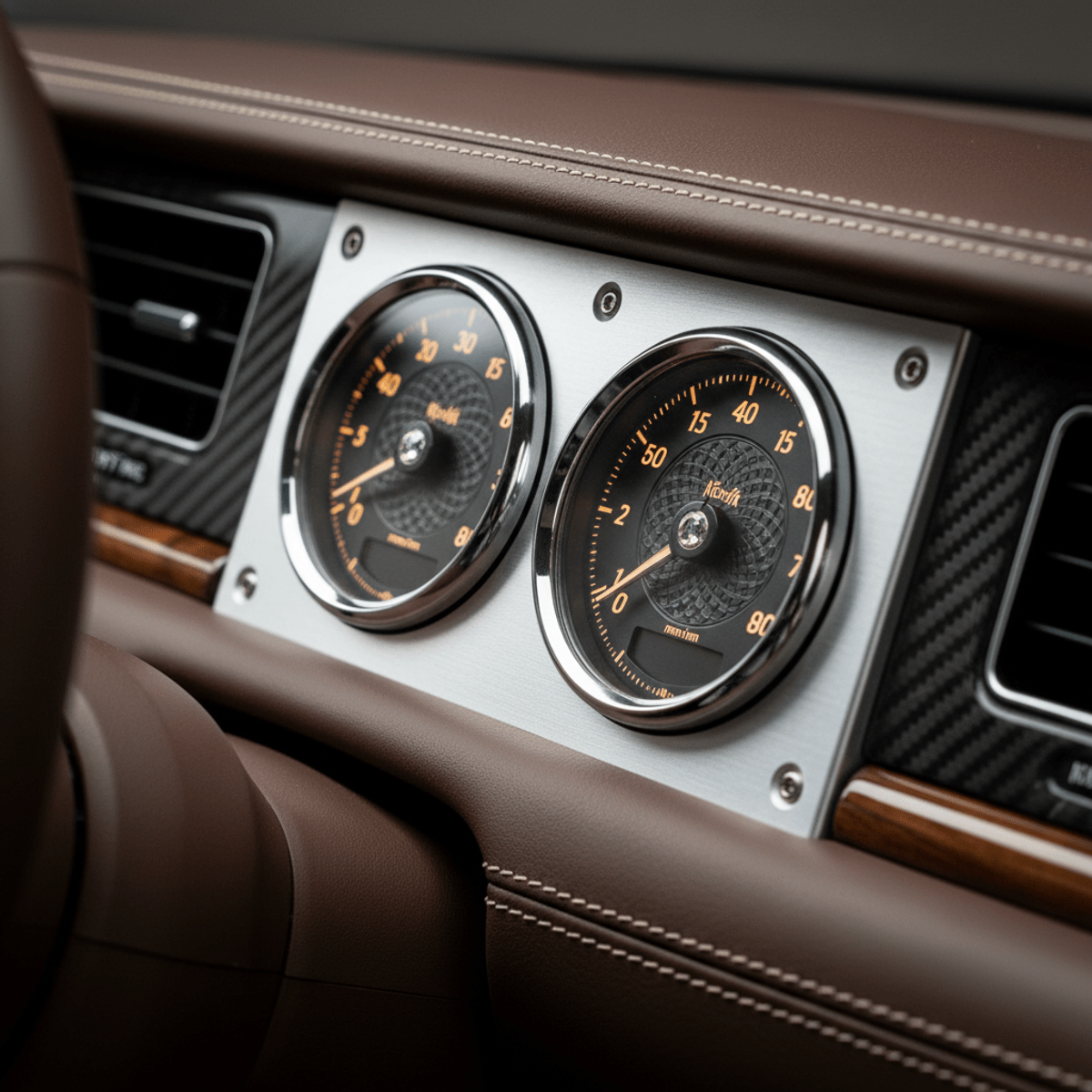
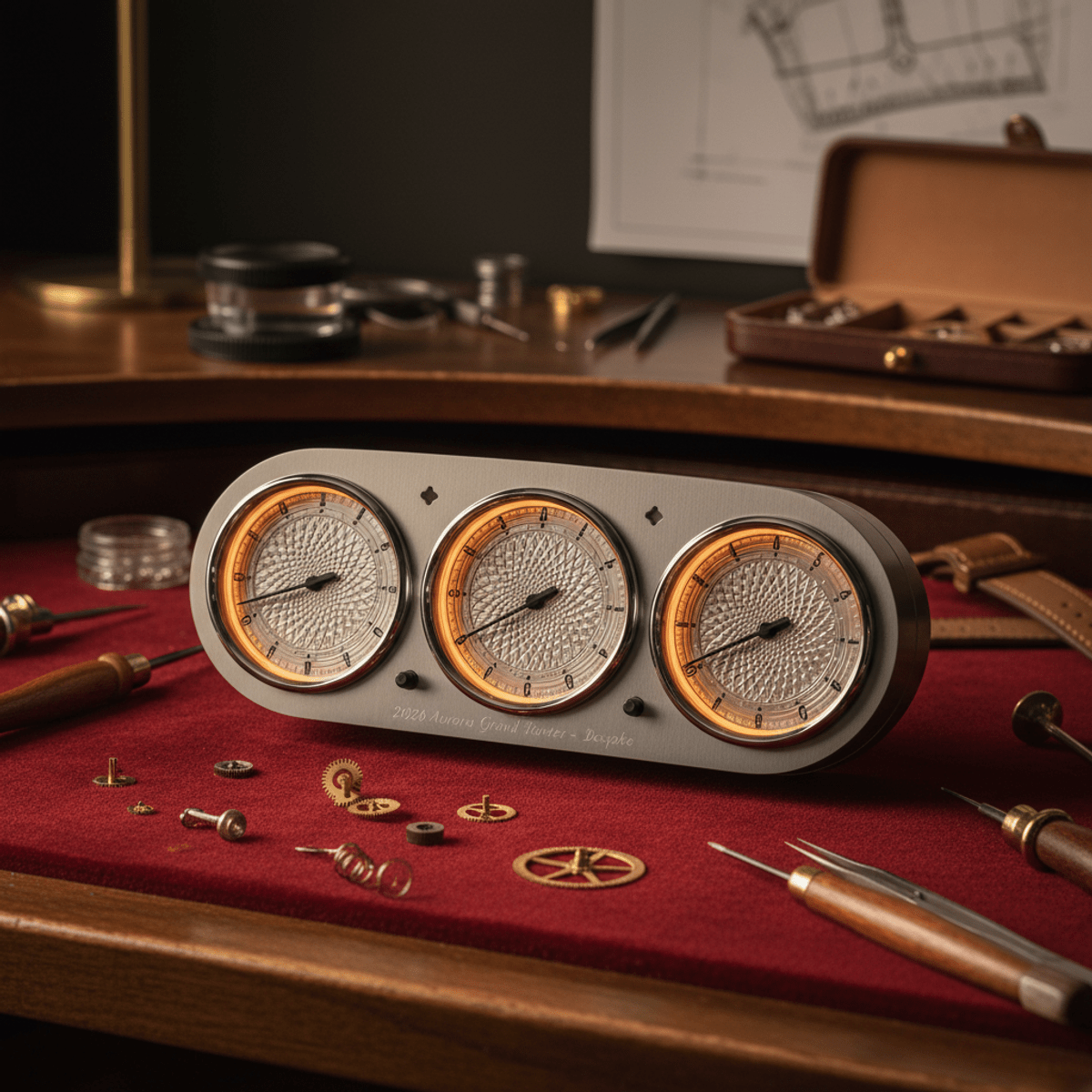
At the luxury segment’s apex, bespoke gauges for car applications receive the same attention as fine timepieces. These extraordinary instruments feature custom-machined bodies crafted from premium materials like aerospace-grade aluminum or titanium, with dial faces showcasing intricate guilloché patterns reminiscent of luxury watches. Some examples incorporate genuine jeweled needle pivots and hand-applied luminous materials for exceptional nighttime visibility. Each gauge set represents months of artisanal craftsmanship, often commissioned for one-off show cars, concours restorations, or hyper-luxury builds where every detail communicates exclusivity and refinement. The market for these pieces serves collectors and builders who view their vehicles as rolling art galleries, where mechanical beauty deserves equal consideration alongside performance capabilities.
9. Tactile & Haptic Feedback Dials
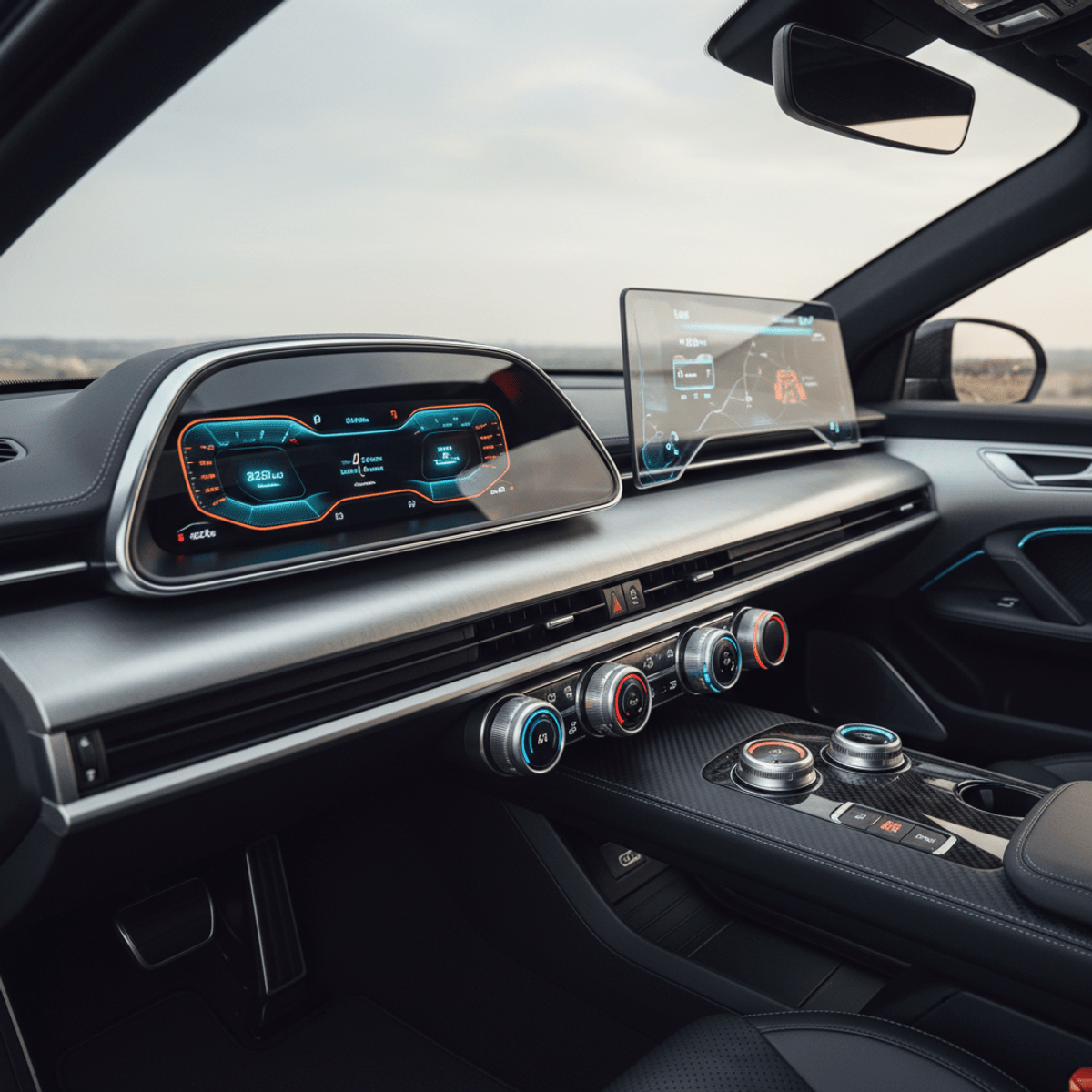
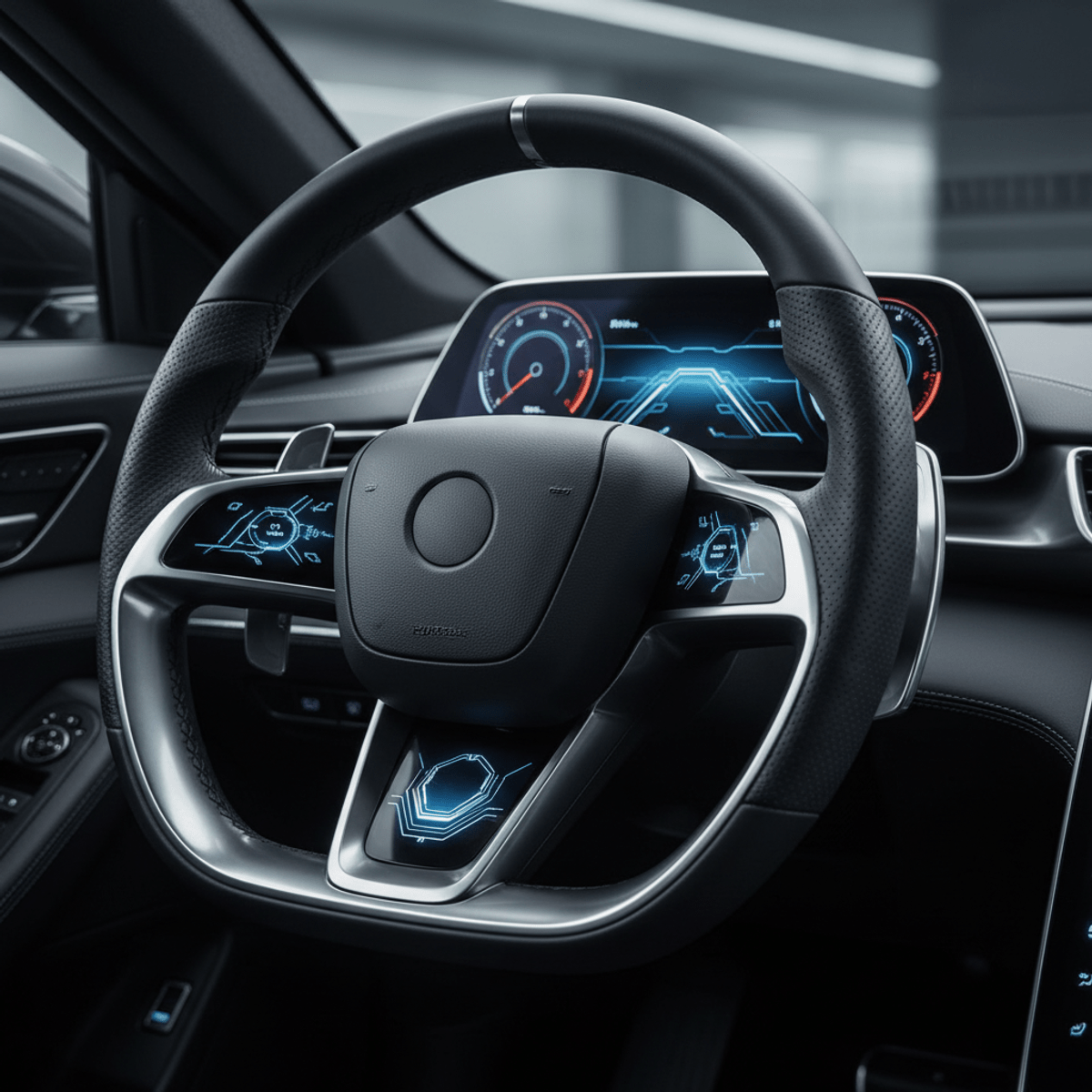
Emerging haptic technology is introducing new sensory dimensions to gauges for car applications beyond traditional visual feedback. These innovative systems incorporate subtle vibration feedback through steering wheels or dashboard surfaces when approaching critical thresholds like redline RPM or dangerous oil pressure levels. Some advanced units feature bezels with satisfying tactile resistance when rotated, creating physical connection points between driver and machine reminiscent of high-end audio equipment controls. The technology enhances situational awareness by engaging multiple senses simultaneously, proving particularly valuable during high-concentration driving scenarios where visual attention must remain focused ahead. This trend reflects broader automotive industry movement toward more intuitive human-machine interfaces that complement rather than compete with primary driving tasks.
10. Eco-Conscious & Sustainable Materials
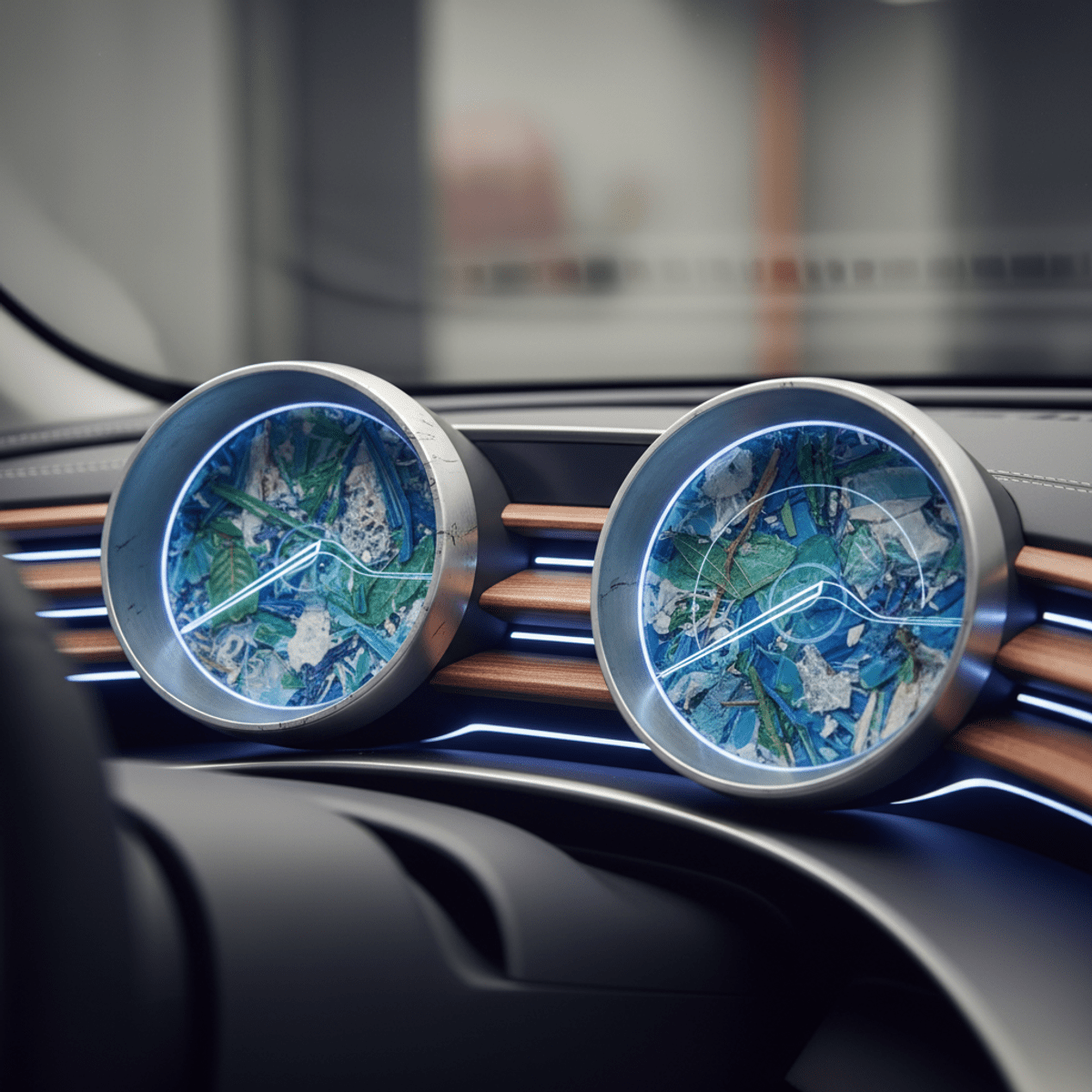
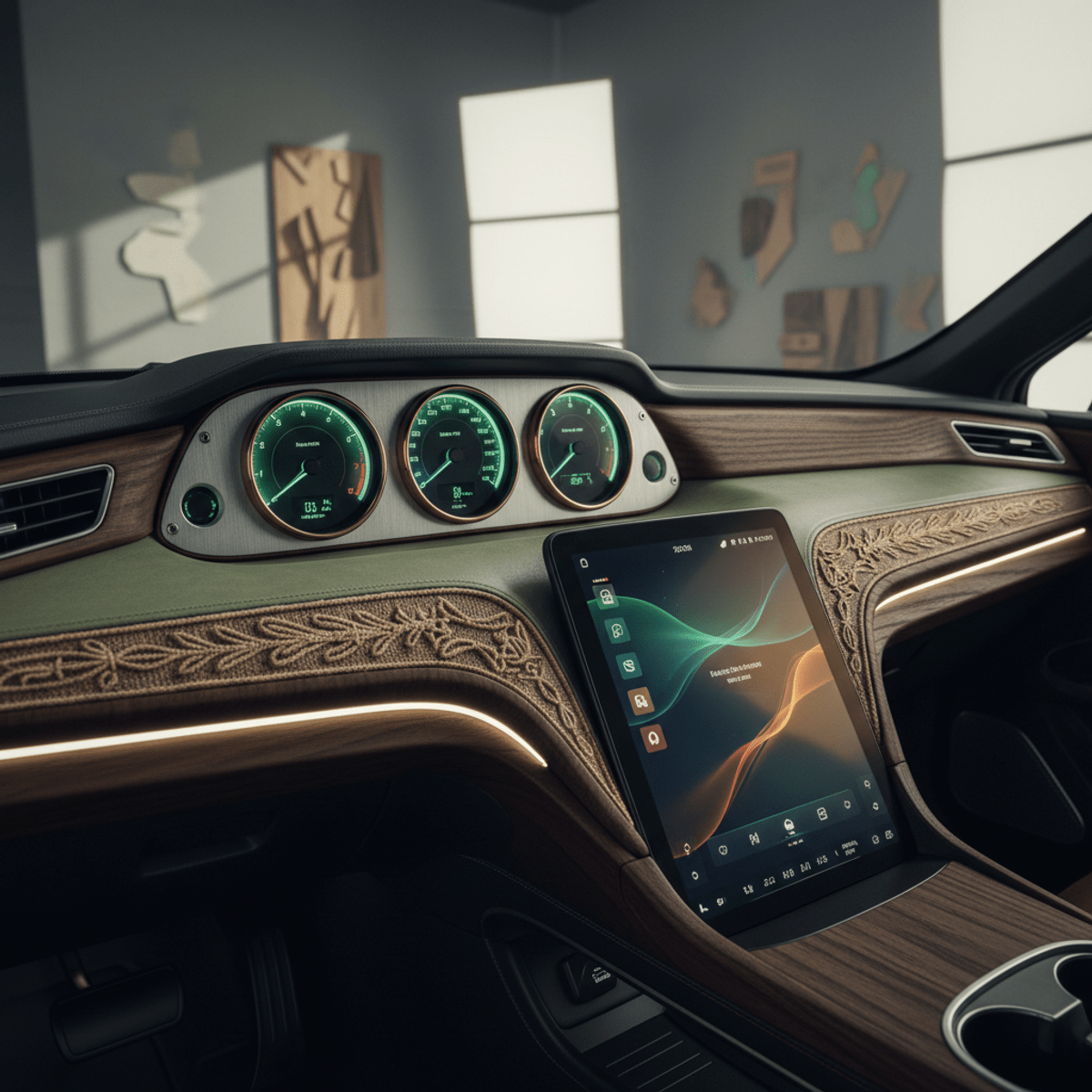
Environmental consciousness is influencing gauges for car manufacturing through sustainable material choices that don’t compromise performance or aesthetics. Progressive manufacturers now offer housing components made from recycled ocean plastics, bio-composite materials derived from natural fibers, and bezels crafted from reclaimed metals or responsibly sourced wood. These materials often display unique textures and character that distinguish them from conventional alternatives while supporting environmental responsibility. The trend particularly resonates within the electric vehicle conversion community and among builders who view their projects as statements about sustainable performance. Advanced bio-composites can match traditional materials’ strength and durability while reducing environmental impact, proving that ecological consciousness and automotive passion can coexist harmoniously in modern custom builds.
The gauge trends defining 2026 showcase an exciting convergence of cutting-edge technology and deeply personal expression. From the nostalgic glow of Cyber-Retro designs to the seamless functionality of wireless smart-sync systems, these ten styles reveal how gauges for car applications have evolved into sophisticated lifestyle statements. Each trend represents both aesthetic inspiration for enthusiasts and strategic market intelligence for industry professionals. The rising consumer demand for these specific features—wireless connectivity, sustainable materials, bespoke craftsmanship, and integrated digital experiences—creates clear opportunities for product developers, manufacturers, and aftermarket retailers positioning themselves for success. Ready to transform these insights into your next bestselling product line? Leverage our AI-powered sourcing platform, Accio, to discover specialized manufacturers of custom OLED displays, connect with suppliers of machined aluminum components, and analyze comprehensive market data that validates which trends align with your brand strategy. Let Accio bridge the gap between automotive inspiration and business opportunity, connecting you with tomorrow’s automotive design solutions today.